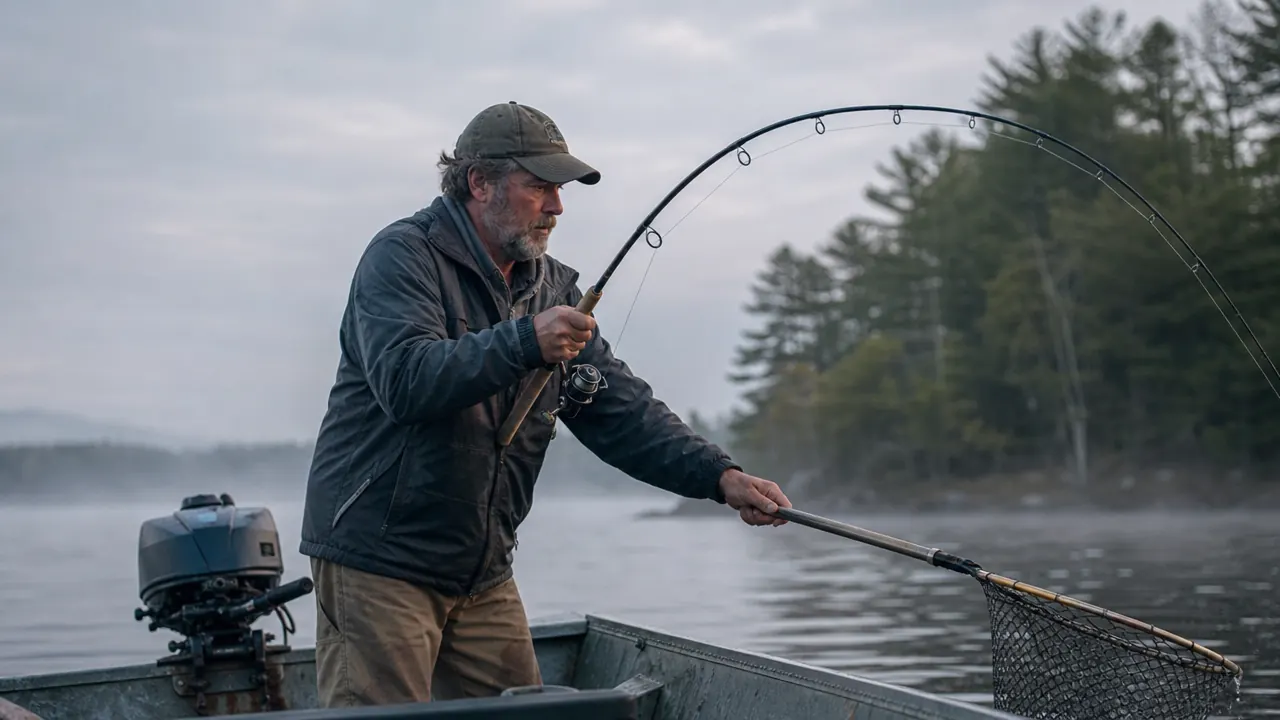
I have lost more fish at the side of the boat than anywhere else, and almost every time the drag system on my spinning reel was the real problem. Not the hook, not the knot, not my hands. A reel that locks up for a half second when a big smallmouth turns and bolts, or slips in stutters and lets slack creep into the line, will cost you fish that were already basically caught. I did not understand how much that one part mattered until I paid real attention to it on Lake Winnipesaukee and the Merrimack River, where I fish most Saturdays with my brother-in-law Ray.
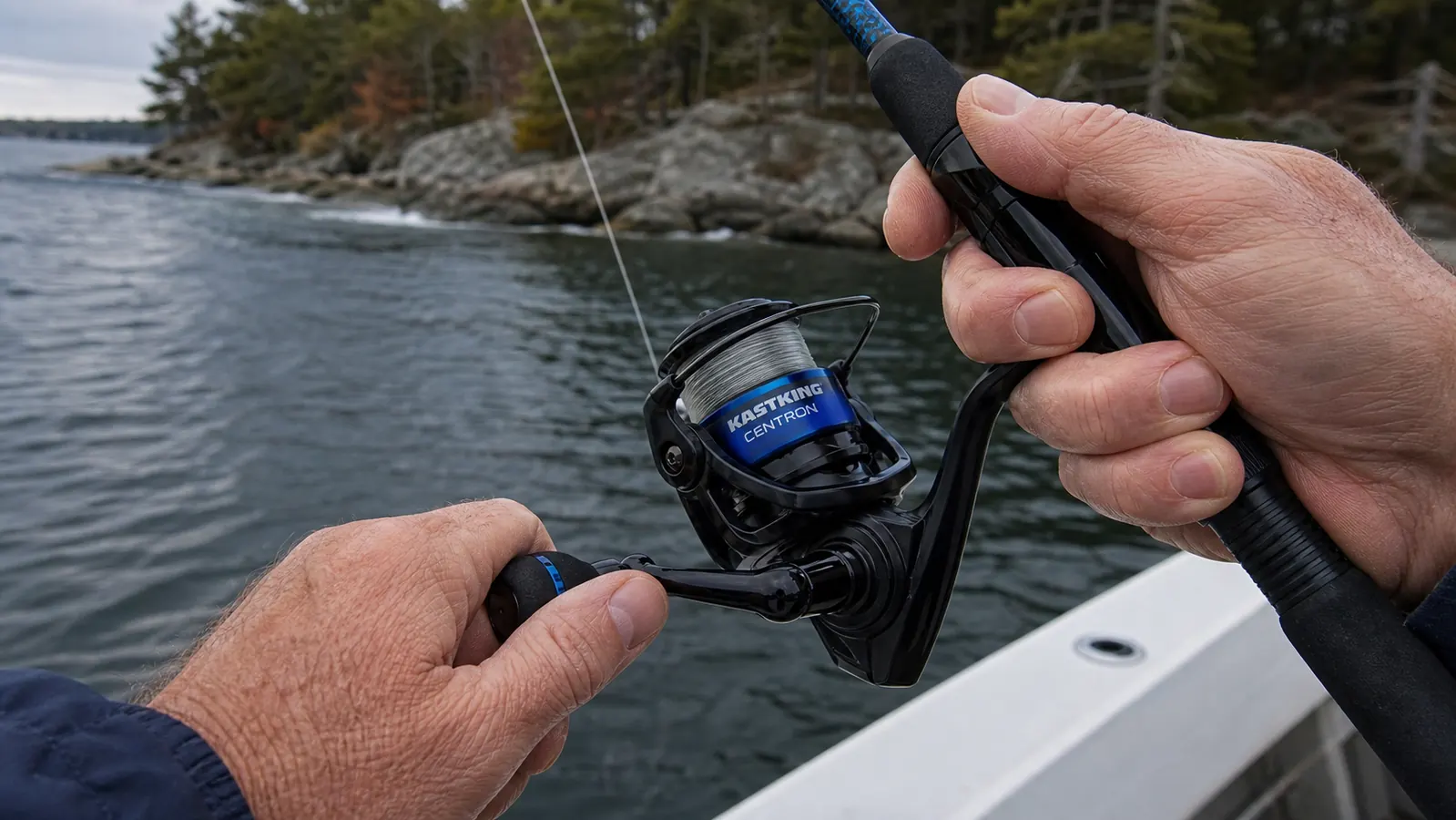
A smooth drag system is not a luxury feature buried on the spec sheet next to the gear ratio and bearing count. It is the difference between a fish coming over the net and a fish breaking off ten feet from the boat while you hold a slack line. I put a KastKing Centron spinning reel into rotation a couple seasons back mostly because of how the drag felt, and it changed how confident I was every time a fish surged. Here are ten real reasons a smooth drag system on your spinning reel matters more than most weekend anglers realize.
The reel that finally stopped my boatside break-offs
If you are tired of watching fish shake loose because your drag stuttered at the worst moment, the KastKing Centron spinning reel is the one I switched to and the one I still reach for most weekends.
Amazon Check Today's Price on Amazon →A Big Fish's First Run Doesn't Wait for You to React
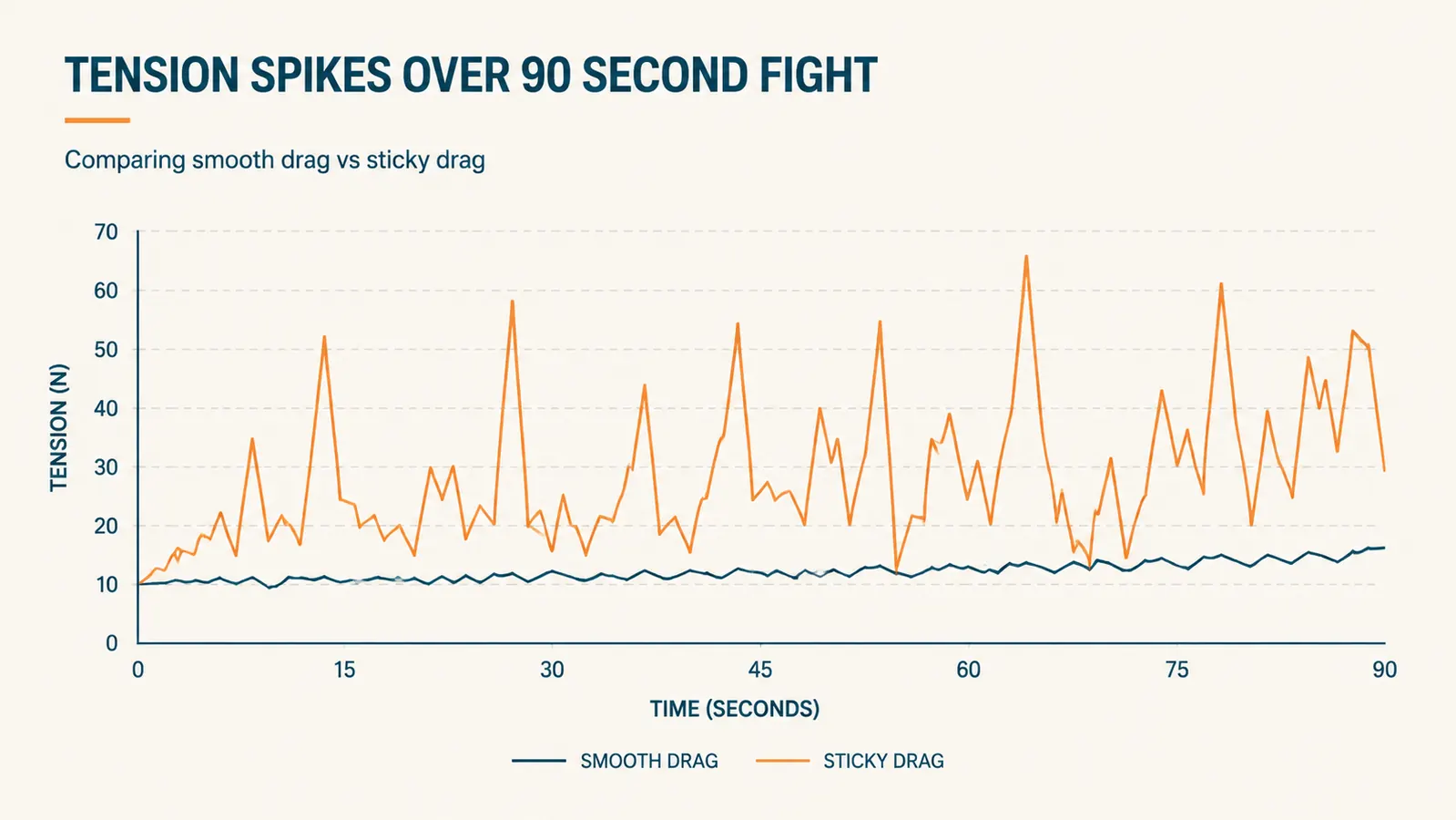
The most violent moment in a fight is the first three seconds after the hookset, when a fish that didn't know it was hooked suddenly finds out. That first run is where a rough drag system gets exposed. If the spool hesitates before it gives line, the shock goes straight into your leader instead of the reel. I've had a good smallmouth shoot for open water on Winnipesaukee and felt the rod load up wrong before the drag caught up. A smooth drag system moves the instant the fish pulls, no lag, no stick point.
Light Line and a Soft-Mouthed Fish Leave No Room for Error
Crappie, trout, and early-season perch have soft mouths, and most of us fish them on 4 to 6 pound line because that's what the bite calls for. There is almost no margin for a jerky drag system in that setup. One hard stutter and the hook pulls free or the line parts. I lost a genuinely nice rainbow trout on the Merrimack a few springs back to exactly this, a cheap reel that grabbed instead of slipping smoothly, and I stopped trusting light-line trips to a reel I wouldn't trust with anything heavier.
Braid Has Zero Stretch, So the Drag Is the Only Shock Absorber Left
Switch from mono to braided line and you give up the built-in stretch that used to forgive a lot of mistakes. With braid, there is nothing between the fish and the rod except the drag system itself. That's why I care so much about the carbon fiber drag washers in the KastKing Centron I run on my braid setups. With no stretch anywhere else in the chain, a smooth spinning reel drag is the only thing standing between a solid hookset and a snapped line on a hard run.
A Fish That Runs Under the Boat Forces You to Fish Blind
When a fish dives under the hull, you lose the ability to see the line and are fighting entirely by feel. This happens constantly with bigger largemouth on Winnipesaukee and with stripers that dart under the boat on our summer coastal trips. In that moment you need a drag system you can trust without watching it, one that gives line evenly instead of grabbing in bursts. A rough drag under the boat is how you lose a fish and a rod tip on the same cast.
Amazon See the spinning reel I trust when I can't see the line →
Cold Mornings Stiffen Cheap Grease Before You Even Make a Cast
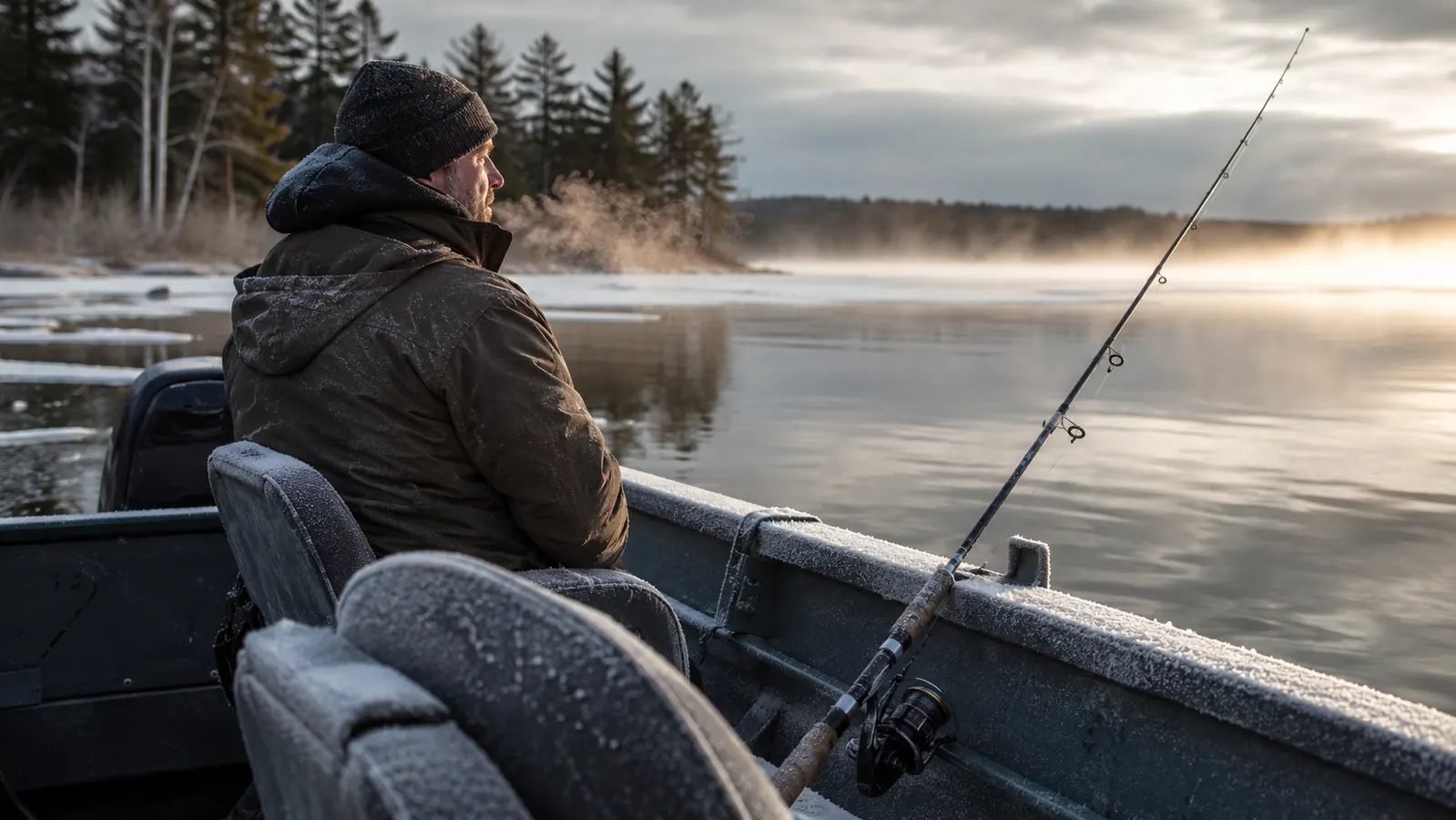
Ice-out fishing in New Hampshire means casting into water barely into the forties. Cheap drag grease thickens in that cold, and the first few fights of the morning feel jerky, right when you can least afford it. A well-sealed drag system holds a smoother feel from the first cast, not just after an hour to loosen up. I've had reels that fished fine by 10am but cost me fish at 6am, and that's not a gap worth gambling on.
A Hard Hookset Shouldn't Snap Your Leader
Most of us set the hook harder than we need to, especially on a missed strike or a fish that hits on the fall. A drag system with any stiction transfers that shock straight into the leader before it slips, and that's how you snap fish off on the hookset itself. A properly tuned spinning reel drag gives a fraction of an inch right at that moment, just enough to take the spike off without losing the hookset. Small thing, until it saves a fish.
Amazon See the reel with a drag that protects your hookset →
Fighting a Fish Near Rocks or a Dock Post Takes Controlled Pressure, Not Panic
Structure fishing means the fish has somewhere to run that ends badly for you, a dock post, a rock pile, a downed tree. You need steady, increasing pressure to turn the fish's head before it reaches cover, and a jerky drag makes that almost impossible to do smoothly. Either you're too timid because you don't trust the reel, or you tighten the drag down and risk a break-off on the next surge. A smooth drag system lets you lean into a fish with confidence right when it matters most.
A Smooth Drag Saves Your Arm, Not Just the Fish
Nobody talks about this part, but a stuttering drag system makes every fight physically harder on you. You end up fighting the reel as much as the fish, pumping and cranking against a mechanism that grabs unevenly instead of releasing line in one clean motion. After a full day, that adds up. Since I moved most rods over to the KastKing Centron, fights that used to leave my forearm sore by early afternoon just don't anymore, because the reel does its share of the work instead of fighting me.
Amazon See the reel that makes long days easier on your arm →
Inshore Stripers Test a Drag System Like Nothing on the Lake Does
Summer trips to the New Hampshire and Maine coast put different pressure on a spinning reel. A striper's first run is longer and harder than almost anything on Winnipesaukee, and a drag that heats up or hesitates under sustained pressure will lose that fish fast. For the biggest stripers, Ray and I lean on heavier tackle built for that job. But for schoolies and mid-size fish from shore or a small boat, a smooth-running reel like the Centron holds up fine, and it exposed every weak drag I'd used before it.
Amazon See the spinning reel I trust on lighter inshore trips →
A Drag System That Holds Up Season After Season Beats a Surprise
The real test of a drag system isn't day one, it's year three, after salt spray, cold mornings, and a hundred fights have worn on it. Cheap drag washers glaze over or start sticking right when you need them most, usually on the biggest fish of the season. A spinning reel with sealed, quality drag washers feels the same in year three as it did out of the box. That consistency is worth more to me now than any other spec on the reel.
Amazon See the reel built to hold its drag season after season →
What I'd Skip
I'd skip any reel where the drag knob is the cheapest looking part, plastic click-stops instead of a real dial, or a spool that feels gritty when spun by hand in the store. Those tells almost always predict a rough drag system on the water, and no gear ratio or bearing count makes up for it. I'd also skip buying purely off a low price without checking real reviews on drag smoothness, since that's the one spec most boxes don't advertise honestly.
The gear ratio gets you the sale. The drag system gets you the fish.
Stop losing fish to a drag you can't trust
A smooth drag system is the cheapest insurance policy on the water. The KastKing Centron is the spinning reel I've trusted through cold mornings, light line, and summer striper trips alike.
Amazon Check Today's Price on Amazon →