
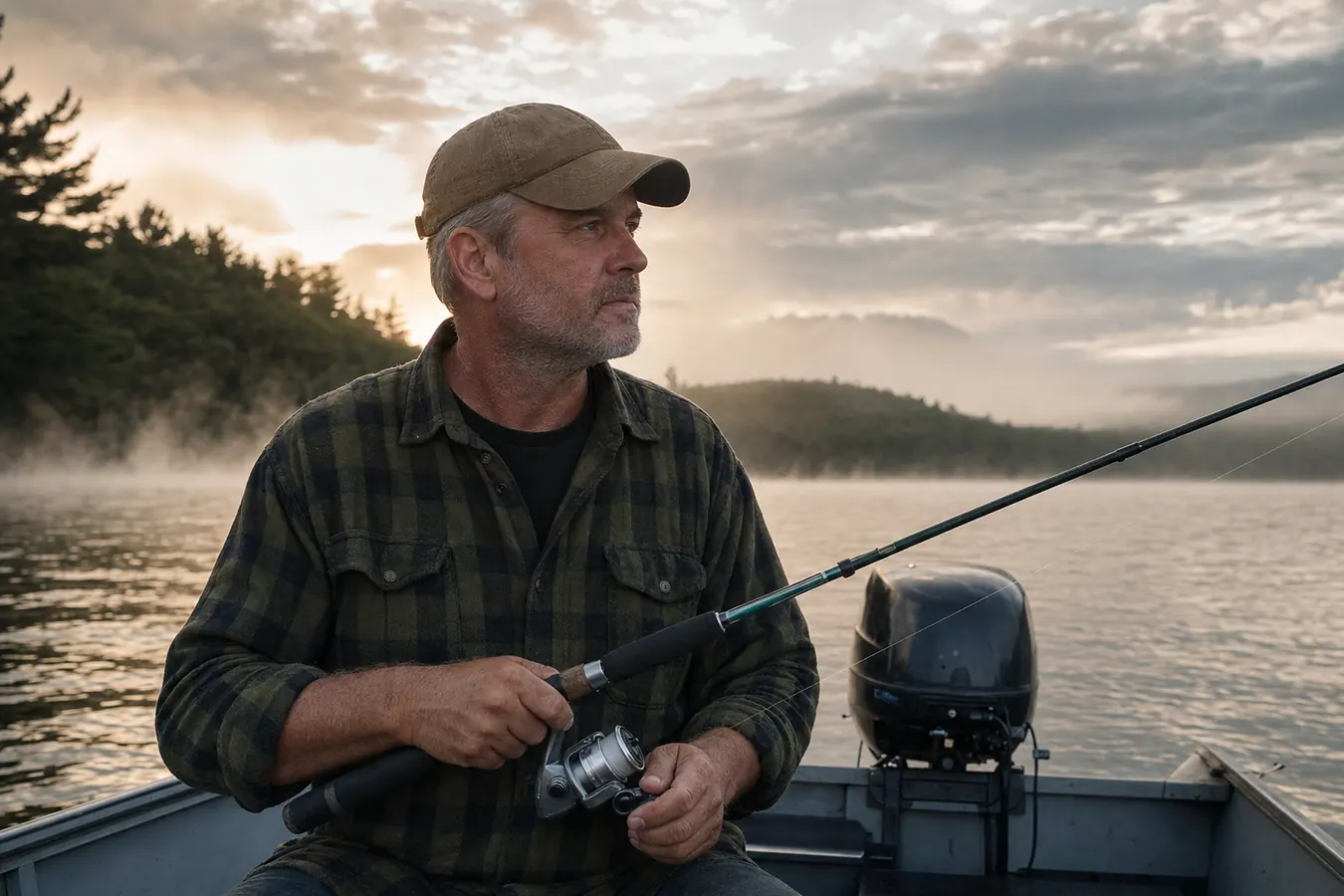
I've had the same KastKing Centron tied on one of my rods for three seasons now, and that's the only reason I feel right writing a long-term review instead of an unboxing. Most reel reviews you find online were written the week the reel showed up, before anyone actually knows how it holds up. Mine's been through spring largemouth on Lake Winnipesaukee, summer smallmouth up the Merrimack River, a dozen or so early mornings chasing stripers off the New Hampshire coast, and every kind of weather in between. It's got scars now. It's earned an opinion.
I run a 16-foot aluminum boat with a tiller outboard, nothing fancy, and I fish it most Saturdays, usually with my brother-in-law Ray riding along in the bow seat needling me about my knot-tying. That's the context for everything below. I'm not a tournament guy and I don't get paid to say nice things about tackle. When gear disappoints me on the water, I say so, and the Centron has disappointed me exactly twice in three years. I'll tell you both times.
The Quick Verdict
A genuinely smooth, well-built budget spinning reel that's held up to three seasons of real weekend fishing, freshwater and light saltwater alike, with only minor maintenance and one small hiccup along the way.
Amazon Check Today's Price →Still fishing with a reel that grinds on every cast?
That's exactly the problem the Centron solved for me. Check today's price on Amazon and see if it's still the deal it was when I bought mine.
Amazon Check Today's Price on Amazon →How I've Used It
I bought my first KastKing Centron in a 3000 size back when I needed a backup reel for a trip up to the lake, figured I'd try it for a season and swap it out if it didn't hold up. Three seasons later it's still my go-to for anything under 12 pound test. It's spent more days on the water than most of my other reels combined, because it's the one I grab without thinking when Ray calls and says the smallmouth are biting up near Alton Bay.
The bulk of its work has been largemouth and smallmouth bass on Winnipesaukee, plus a good amount of time drifting the Merrimack for stripers that push up the river in late spring. Come July and August I take it coastal a handful of times a summer, casting soft plastics and small poppers at schoolie stripers off the southern Maine and New Hampshire shoreline. That's saltwater exposure most freshwater-only reels never see, and it's where a lot of budget spinning reels start to show their weak points fast.
I rinse it with fresh water after every saltwater trip, no exceptions, and I've oiled the bail spring twice in three years. Otherwise it's gotten the same casual care as everything else in my boat, which is to say not much. I wanted to know what happens to this reel under real conditions, not showroom conditions, and now I know.
By my rough count I've probably logged somewhere north of sixty days on the water with this reel, counting every weekend morning on the lake, the river trips, and the coastal outings. That's not a lab test, it's just what happens when a reel earns a permanent spot in the boat instead of getting rotated out. I keep a small notebook in my tackle box where I jot down what worked each trip, mostly for my own memory since I forget which color jig produced by August, and the Centron shows up in that notebook more than any other reel I own.
The Drag System, Three Seasons In
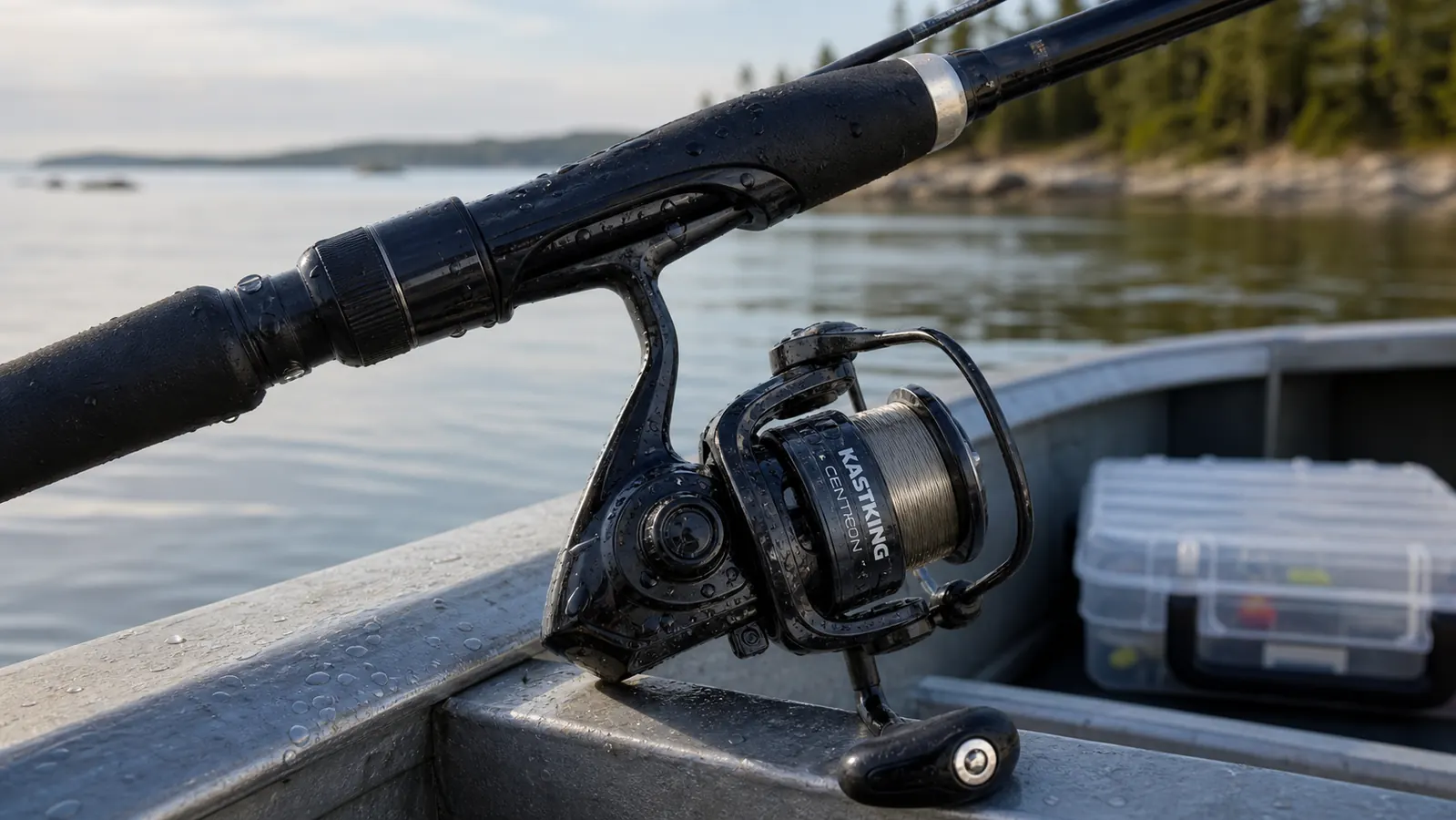
The thing that sold me on the Centron in the first place was the drag. KastKing built this reel around a carbon fiber drag washer stack rated up to 17.5 pounds of max drag, which is more than plenty for anything I'm targeting on a 3000 size reel. What surprised me wasn't the max rating, it was how smooth the drag stayed under load, especially early on when a striper decides to make a run toward the rocks.
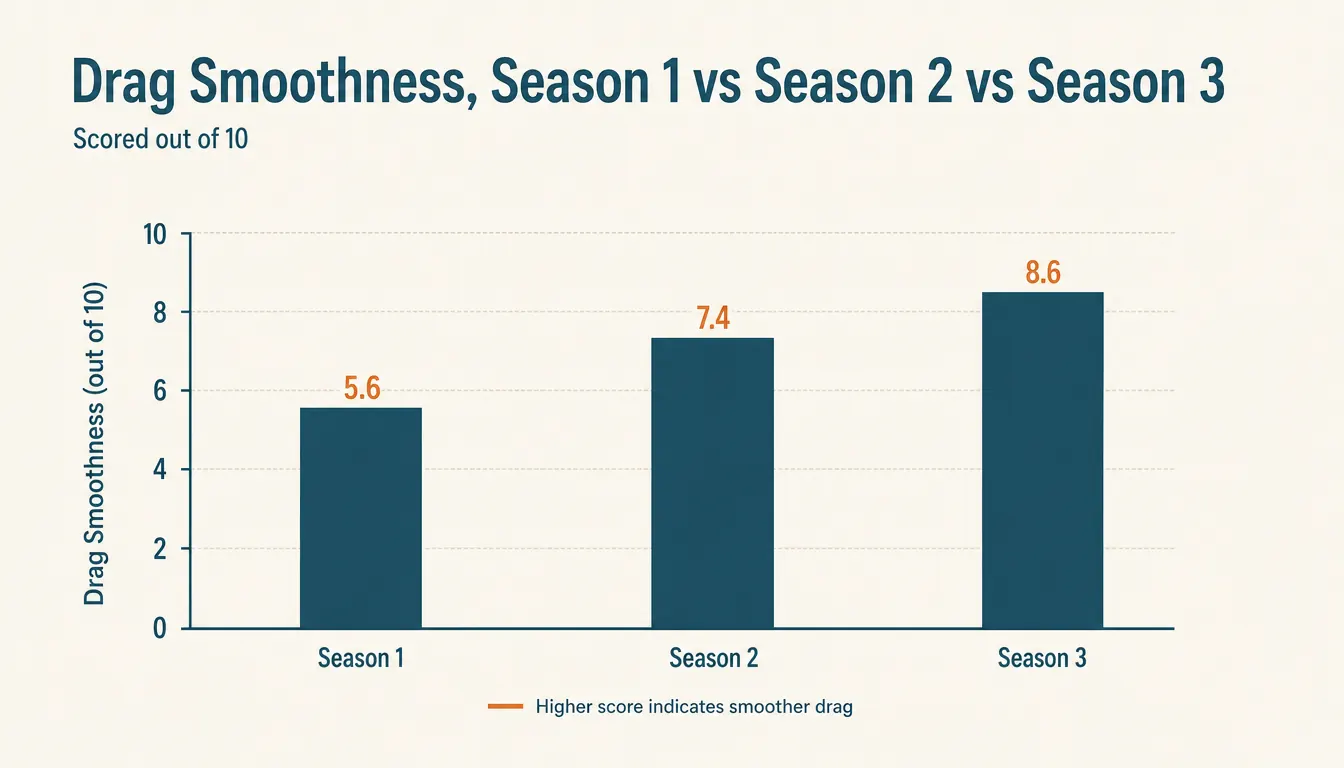
Three seasons in, that drag is still smooth, though it's not quite as buttery as it was the first summer. There's a very slight hesitation now under sudden heavy pressure, the kind you only notice if you're paying close attention, like I was the day a bigger striper nearly spooled me off the coast. I backed the drag off a quarter turn and re-seated the washers, and it's been fine since. That's normal wear for a reel this age and this price, not a defect.
What matters to me is that it never once locked up or slipped unpredictably, which is the failure mode that actually loses fish and breaks lines. Compare that to a couple of the department-store reels I ran before this one, where the drag would grab and release in jerky little steps no matter how carefully you set it. The Centron has never done that to me, not once, and that consistency is worth more to me than a higher max drag number I'll never actually need.
How It Compares to What I Fished Before
Before the Centron, my go-to backup reel was a bargain-bin spinning reel I'd picked up at a big-box store for less than twenty dollars, and honestly it lasted about a season and a half before the bail started binding up on every third cast. I also ran a mid-range reel from another well-known brand for a couple of years, which was fine but never impressed me on drag smoothness the way the Centron did right out of the box. That comparison matters because it's the actual decision most weekend anglers are making, not KastKing versus some $300 reel they were never going to buy anyway.
What the Centron did that neither of those other reels managed was stay consistent across three full seasons without a single trip to a repair shop. I've had to send reels out for professional cleaning before when saltwater got into the gearbox, and that's an expense and a hassle most weekend anglers don't budget for. This one, with the rinse-and-oil routine I described above, hasn't needed anything beyond what I could do myself at the kitchen sink.
What's Actually Worn Out
Here's the honest part. The line roller on my Centron developed a very slight groove sometime in year two, probably from running braided line on it for a stretch when I was experimenting with lighter setups for finesse fishing. It's not causing line twist that I can detect, but I noticed it when I was cleaning the reel this spring and ran my thumbnail across the roller. I've since gone back to running mono and fluorocarbon leader on this particular reel and kept a separate reel for braid, and I'd recommend that same approach to anyone buying a Centron with plans to fish braided line heavily.
The handle knob has also loosened up slightly, the kind of thing where you notice a tiny bit of play when you're reeling in slack line fast. A drop of thread-locker on the screw fixed it in about five minutes, and it hasn't come back. Neither of these are the kind of thing that ruins a fishing trip. They're the kind of wear you expect from any reel that's actually been fished hard instead of sitting in a rod locker.
The body itself, the graphite frame and rotor, shows some cosmetic scuffing from being knocked around in my boat, nothing structural. No cracks, no play in the main shaft, and the anti-reverse bearing still locks up instantly with zero back-play, which is the thing I actually check for when I'm deciding if a reel is worth keeping around.
Where It Fits in a Weekend Angler's Boat
I want to be clear about who this reel is actually built for, because I think a lot of the online chatter about KastKing gear either oversells it or unfairly trashes it. The Centron is a genuinely good mid-tier freshwater spinning reel that happens to survive occasional light saltwater use if you take care of it. It is not a dedicated saltwater reel, and I wouldn't hand mine to somebody who fishes the surf three days a week chasing bluefish. For that kind of punishment you want a sealed reel built specifically for saltwater duty, full stop.
For someone like me, though, someone who fishes freshwater lakes and rivers most weekends and only takes a handful of coastal trips a summer, the Centron has been exactly the right tool. I've paired mine with a 7-foot medium action rod for most bass and river work, and it balances well without feeling front-heavy or cheap in the hand. The 5.2:1 gear ratio is on the slower side, which actually works in its favor for working soft plastics and jigs slowly along the bottom, though it's not the reel I'd grab for fast-moving topwater retrieves.
I've also let a few fishing buddies try it off the dock at the lake, guys who normally fish reels that cost three or four times as much, and every one of them was surprised by how smooth the drag felt in hand. That's not scientific, it's just what tends to happen when a budget reel gets handed around a group that expected less.
What I Liked
- Smooth carbon fiber drag that's held up well across three seasons
- Handles occasional light saltwater exposure with basic rinse-and-dry care
- Balances nicely on a medium-action 7-foot rod for bass and river fishing
- Anti-reverse bearing still locks up instantly with no back-play after years of use
- Priced low enough that owning two or three for different lines makes sense
Where It Falls Short
- Line roller can groove if you run heavy braided line on it regularly
- Handle knob needed a drop of thread-locker after about a year and a half
- Not built for dedicated, heavy saltwater surf duty
- 5.2:1 gear ratio is too slow for anglers who like fast topwater retrieves
It's the reel I grab without thinking when the fish are biting, which after three seasons is about the highest compliment I can give a piece of gear that cost less than a good dinner out.
What I'd Do Differently
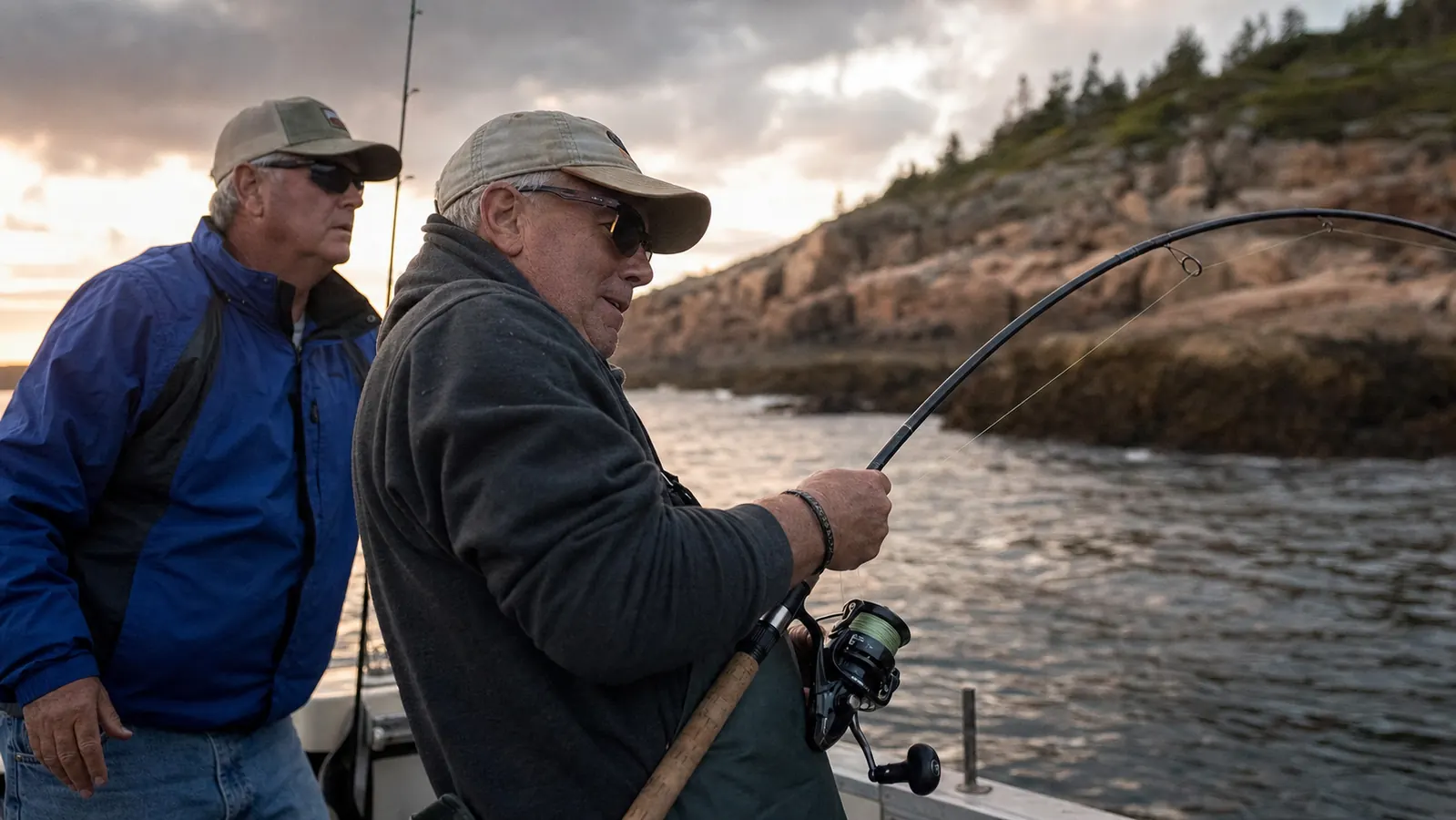
If I were buying my first Centron again knowing what I know now, I'd buy two from the start instead of one. One dedicated to mono and fluorocarbon for finesse work and river fishing, one set up for braid and accepted as more of a workhorse that'll need the line roller watched a little closer. That's not a knock on the reel so much as it's just how I'd manage any reel in this price range that I planned to run braided line on regularly.
I'd also start the fresh-water rinse habit on day one instead of day thirty. I got a little lazy that first summer after a couple of coastal trips, figured a quick rinse now and then was enough, and I think that's part of why the drag needed attention a bit earlier than it might have otherwise. Reels built at this price point reward a little discipline. Skip the rinse a few times after saltwater trips and you're borrowing trouble.
Who This Is For
This reel is for the weekend angler who fishes a lot of freshwater lakes, ponds, and rivers, takes the occasional coastal trip, and wants a reel that punches above its price without babying it constantly. If you fish the way I fish, a couple mornings a week on Winnipesaukee or the Merrimack plus a handful of summer striper trips, the Centron will hold up fine for multiple seasons as long as you rinse it after saltwater use and keep an eye on the line roller if you run braid.
It's also a smart pick if you're outfitting a couple of rods for a fishing partner or a kid who's getting serious about the sport but doesn't need a $200 reel yet. I've actually set Ray up with one for his own boat seat, and he's had a similar experience to mine, smooth drag, minor wear, no real complaints after two seasons of his own weekend trips. It's also a sensible choice if you like having a spare rod rigged and ready in the boat, since the price makes owning a couple of them a lot easier to justify than it would be with a premium reel.
Who Should Skip It
If you're a dedicated surf angler or you're fishing saltwater three or four days a week, skip this one and spend the extra money on a fully sealed saltwater reel built for that kind of punishment. The Centron survives occasional saltwater exposure with care, it isn't designed to live in that environment full time, and I'd hate for someone to buy it expecting surf-rod durability and end up disappointed a season in. If you're mostly a fast-retrieve topwater angler, you might also want something with a higher gear ratio, since the 5.2:1 on the Centron is built more for methodical presentations than for burning a buzzbait across the surface.
Three seasons of real use and it's still the reel I reach for first.
If your current reel is grinding, slipping, or just doesn't feel right in your hand anymore, it might be time for an upgrade. Check today's price on the KastKing Centron and see if it fits your weekend lineup.
Amazon Check Today's Price on Amazon →