
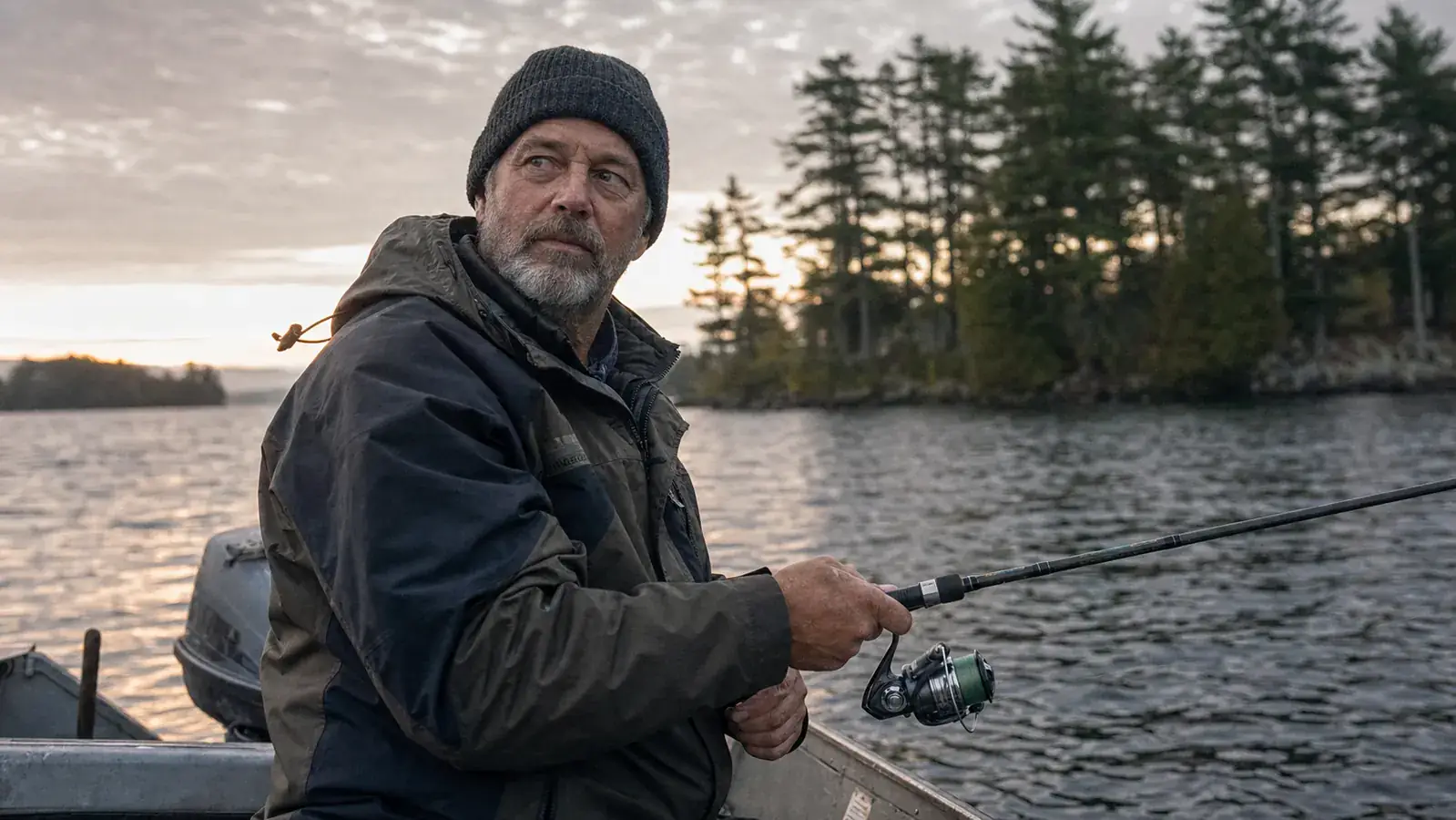
For twenty-some years I ran nothing but monofilament, and I'll say upfront that mono still earns a spot in parts of my boat. But close to nine years ago I started spooling my spinning reels with braided line instead, one reel at a time, and on more than half of them I never went back. If you fish lakes, ponds, and rivers most weekends the way I do out of Lake Winnipesaukee and the Merrimack River, or you sneak in a few inshore striper trips along the coast every summer the way Ray and I do, the reasons to switch to braided fishing line pile up fast once you actually fish it instead of just reading about it.
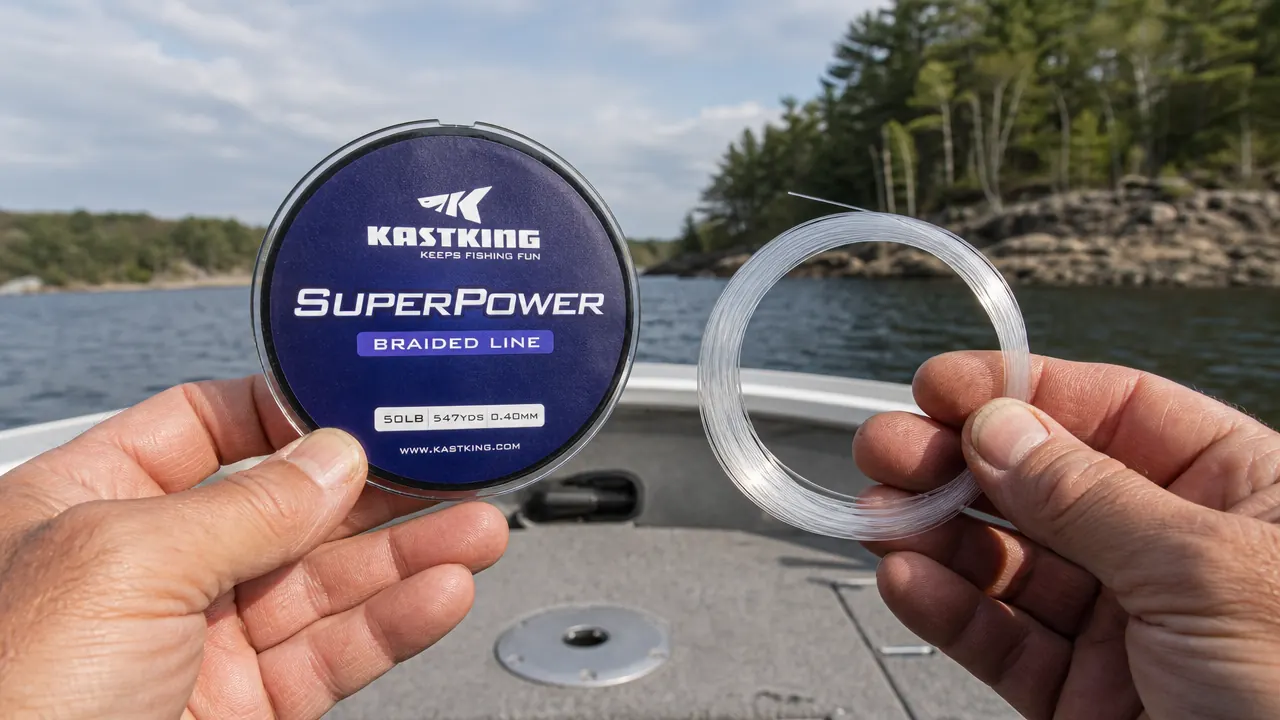
The braid I keep coming back to, on my everyday spinning setup and on the baitcaster I run for heavier river cover, is KastKing Superpower. It isn't the priciest spool on the rack, but it has earned the last several seasons of respools in my boat. The ten reasons below aren't abstract marketing points, they're things I noticed firsthand, switching back and forth between mono and this particular braided line more times than I can count.
Still the braid I spool up every single spring
If you're tired of picking wind knots out of a stiff coil of mono every cold morning, this is the line that fixed that particular headache for me. See current price and available test weights on Amazon.
Amazon Check Today's Price on Amazon →You Feel a Bite From Twice as Far Away
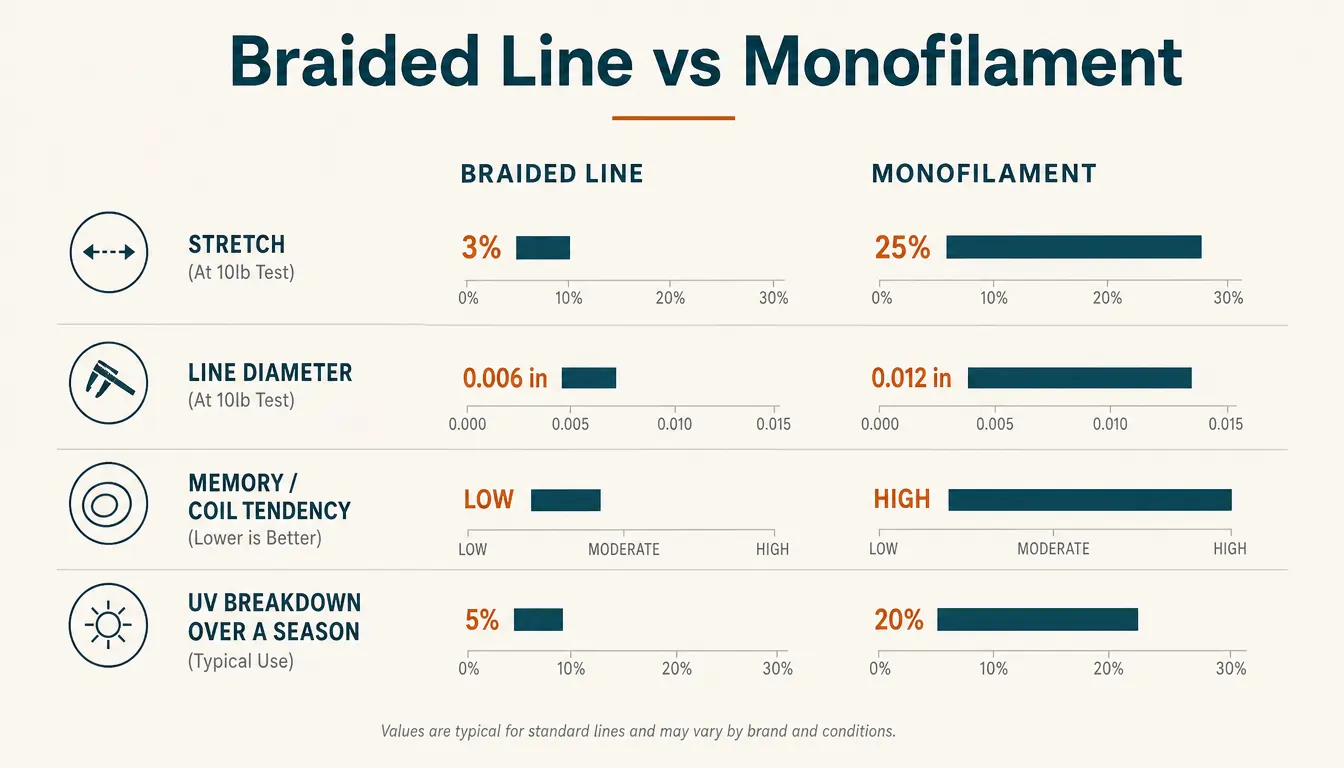
Monofilament stretches, sometimes as much as twenty percent under load, swallowing the tap-tap-tap of a bass mouthing a jig fifty feet off the bow before it reaches your hand. Braided line has almost none of that give, so a soft bite that used to just nod my rod tip now telegraphs straight into my fingers. I noticed this most fishing finesse jigs around the rocky points on Winnipesaukee, where the bite is often a subtle mushiness rather than a hard thump.
The Hookset Actually Reaches the Hook
Feeling the bite is only half of it. Mono's stretch soaks up a good chunk of hookset energy before it reaches the point, especially on a long cast to a distant weed line. With braided line, nearly all of that energy travels straight through. I picked up on this fighting river smallmouth on the Merrimack, where strikes often come forty or fifty feet out past the current seam. A firmer hookset at that distance, running KastKing Superpower instead of the mono I used for years, has meant fewer fish coming unbuttoned halfway back to the boat.
It Cuts Through Weeds Instead of Collecting Them
Round, slick monofilament tends to catch on grass and milfoil, dragging a clump of salad back through the coves on Winnipesaukee with almost every retrieve. Braided line, being tighter-woven and thinner, slices through that same vegetation cleaner, so the lure comes back without picking up a beard of grass on every third cast. That saved me real time last June working the thick weed lines where the bass were holding.
Thinner Diameter Means More Line on the Same Spool
Braided line in a given break strength runs noticeably thinner than mono in that same strength, so a spool that might hold 110 yards of ten-pound mono can hold close to 200 yards of ten-pound braided line. That extra capacity matters once you start trolling or jigging deep water, where you need real depth and distance from the fish. It also means less bulk on the spool, which helps casting distance, something I noticed right away spooling a reel with KastKing.
It Doesn't Get Brittle and Chalky by August
Monofilament breaks down under UV exposure over a season, and by late summer a spool riding on my boat deck since April gets stiffer and more prone to snapping on a hookset that wouldn't have bothered it in May. Braided line is woven from fibers that don't degrade the same way in sunlight, so a spool I put on in spring still casts and holds strength close to day one, even after a full summer of sun on Winnipesaukee and the coast.
It Doesn't Waterlog and Go Mushy on All-Day Trips
Mono absorbs water over a long day, and by the fourth or fifth hour of a rainy trip it can feel noticeably heavier and softer, with a slight drop in knot strength to match. Braided line doesn't absorb water the same way, so it fishes the same in hour one as it does in hour eight. That showed up clearly on a soggy October trip with Ray, when his mono reel felt sluggish by early afternoon while my braided line still cast like it had at sunrise.
You Can Fish Heavier Test Without a Bulkier Spool
Because braided line packs so much strength into such a thin diameter, I can run twenty-pound test for river smallmouth without the spool bulk that same strength in mono would cost me. That higher strength-to-diameter ratio lets me fish confidently around downed timber and dock pilings on the Merrimack without giving up casting distance. With mono, going up in test usually means giving up feel and distance. With braided line, that tradeoff is a lot smaller.
It Comes Off the Spool Straight, Not in Coils
Mono holds memory from sitting wound on a spool, so on a cold morning launch at Weirs Beach it wants to come off in tight coils that tangle around the rod tip before it warms up. Braided line has almost no memory, so it lays flat and straight off the spool from the very first cast, cold morning or not. That single difference has saved me more tangled first casts than almost anything else on this list.
It Holds Steady Pressure on a Fish Fighting Current
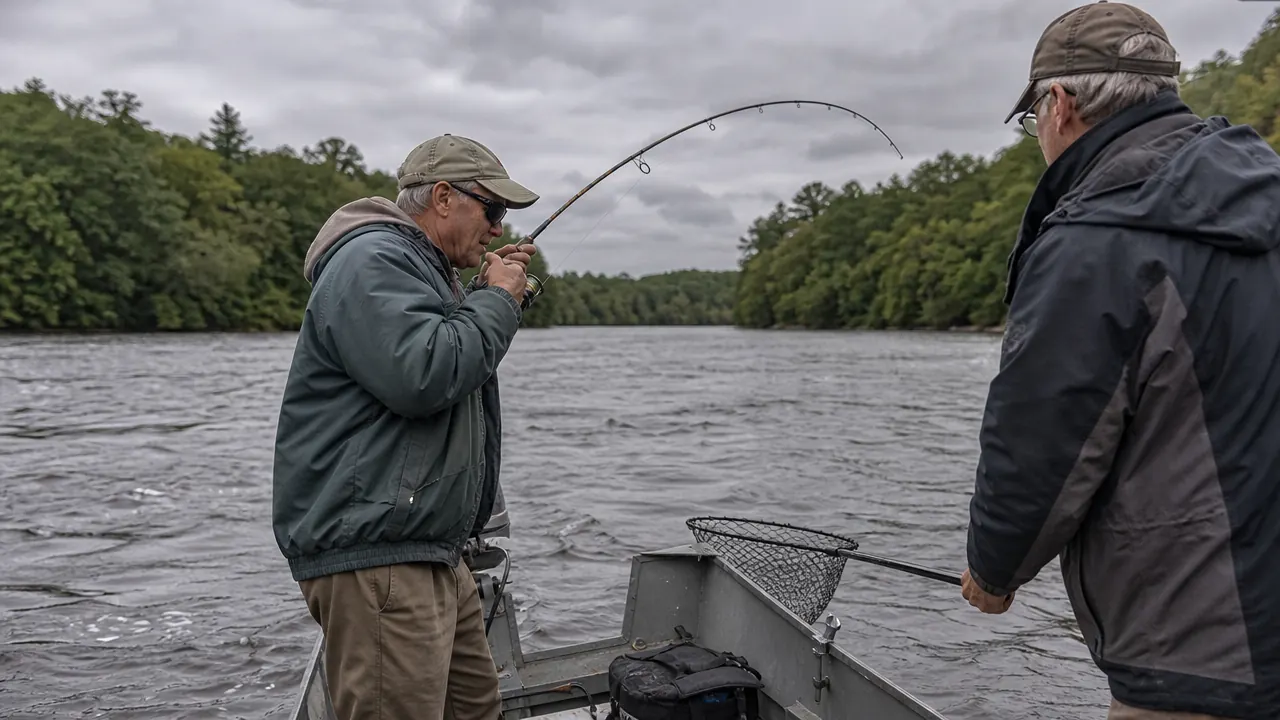
Working a fish through the push of the Merrimack is a different fight than a lake fish in calm water, since the current adds its own load on top of whatever the fish is doing. Mono's stretch gives a little cushion, which sounds like an advantage until you realize it also means constantly taking up slack and losing direct contact with the fish. Braided line holds firm, constant pressure the whole time, so I feel exactly what the fish and the current are doing at every second.
It Doesn't Need a Full Respool Every Single Spring
Mono degrades structurally over a season regardless of how careful you are, so a responsible angler ends up stripping and replacing it at least once a year even if it never showed an obvious problem. Braided line doesn't break down chemically the same way, so a spool of KastKing Superpower fished hard for a full season still tests close to its rated strength, meaning I can often trim back the last twenty or thirty feet of wear and get a second season out of the same spool.
Where Mono Still Earns Its Spot
I don't want to pretend braided line is right for absolutely everything, because it isn't. I still keep mono on a couple of my crankbait rods, since that stretch acts as shock absorption against the headshakes of a fish covered in treble hooks, meaning fewer hooks tearing free. Mono is also what I tie on as leader material ahead of braided line for stripers, since it's less visible in clear water and abrasion resistant right where a fish first sees it. And mono is simply cheaper, so if you're getting a kid started with a rod and reel, there's no shame in spooling mono until they're ready for the backlashes braid throws differently. If low visibility, shock absorption, leader material, or plain cost matters most, mono still wins that argument.
I didn't switch every reel in my boat to braided line. I switched the ones where feeling the fish mattered more than cushioning the fight, and that turned out to be most of them.
Nine years later, this is still the spool I trust
I've tried other braids over the years, but KastKing Superpower keeps earning its way back onto my reels every spring. See the current price and available test weights on Amazon.
Amazon Check Today's Price on Amazon →