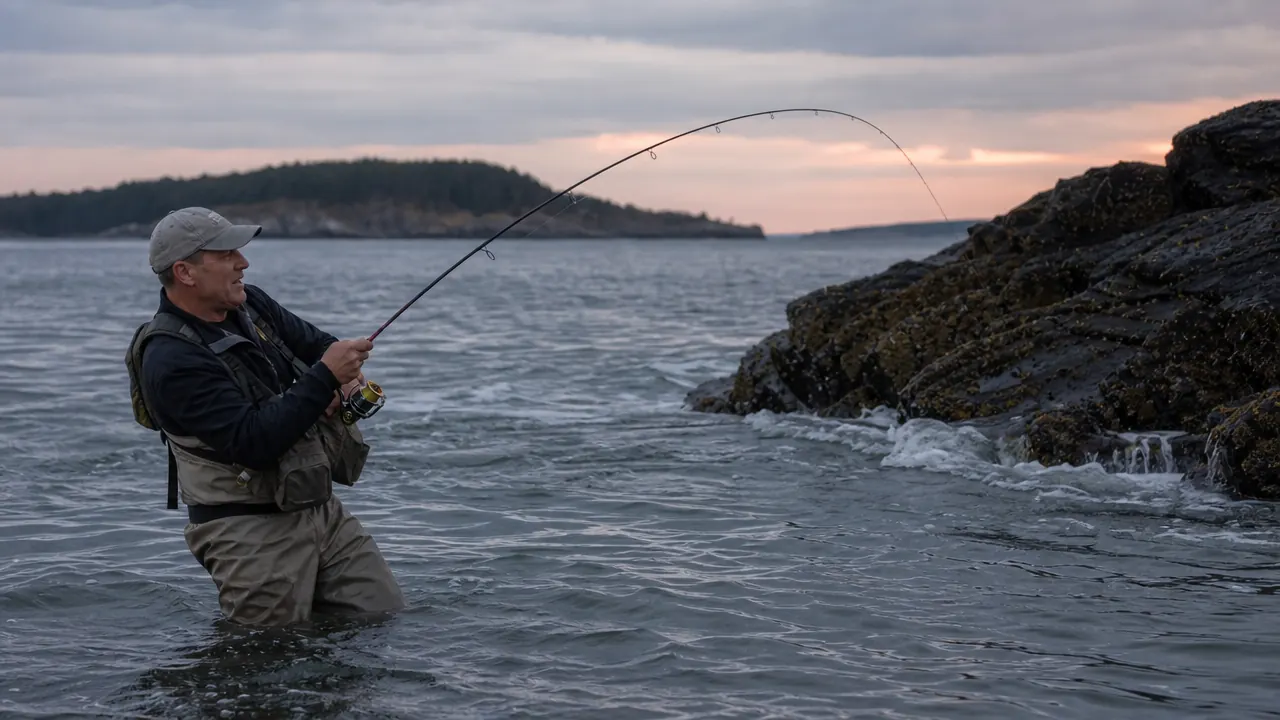
The morning I lost that striper, I was standing thigh deep in the incoming tide at the mouth of the Piscataqua, the sun barely up over the Maine side of the river, my brother-in-law Ray anchored the boat forty yards off the ledge, and I had a fish on that felt bigger than anything I'd hooked all summer. It ran straight for the rocks the way the good ones always do, and I did what you're supposed to do. I kept the rod tip up, let the drag work, tried to steer it away from the barnacle-crusted granite before it could saw me off. Then, with no warning at all, the line just went slack.
No headshake, no sudden give at a knot, nothing I could point to and say there, that's where it happened. The line had simply parted somewhere out past the guides, the kind of clean break I'd later learn a fresher spool of something like KastKing Superpower probably wouldn't have given me, and when I reeled in what was left, the break wasn't at any knot I'd tied. It was clean, almost even, right where the working line met the spool. That kind of break tells you something specific if you've been fishing long enough to recognize it. It wasn't bad luck on that one cast. It was line that had already given up before the fish ever showed up.
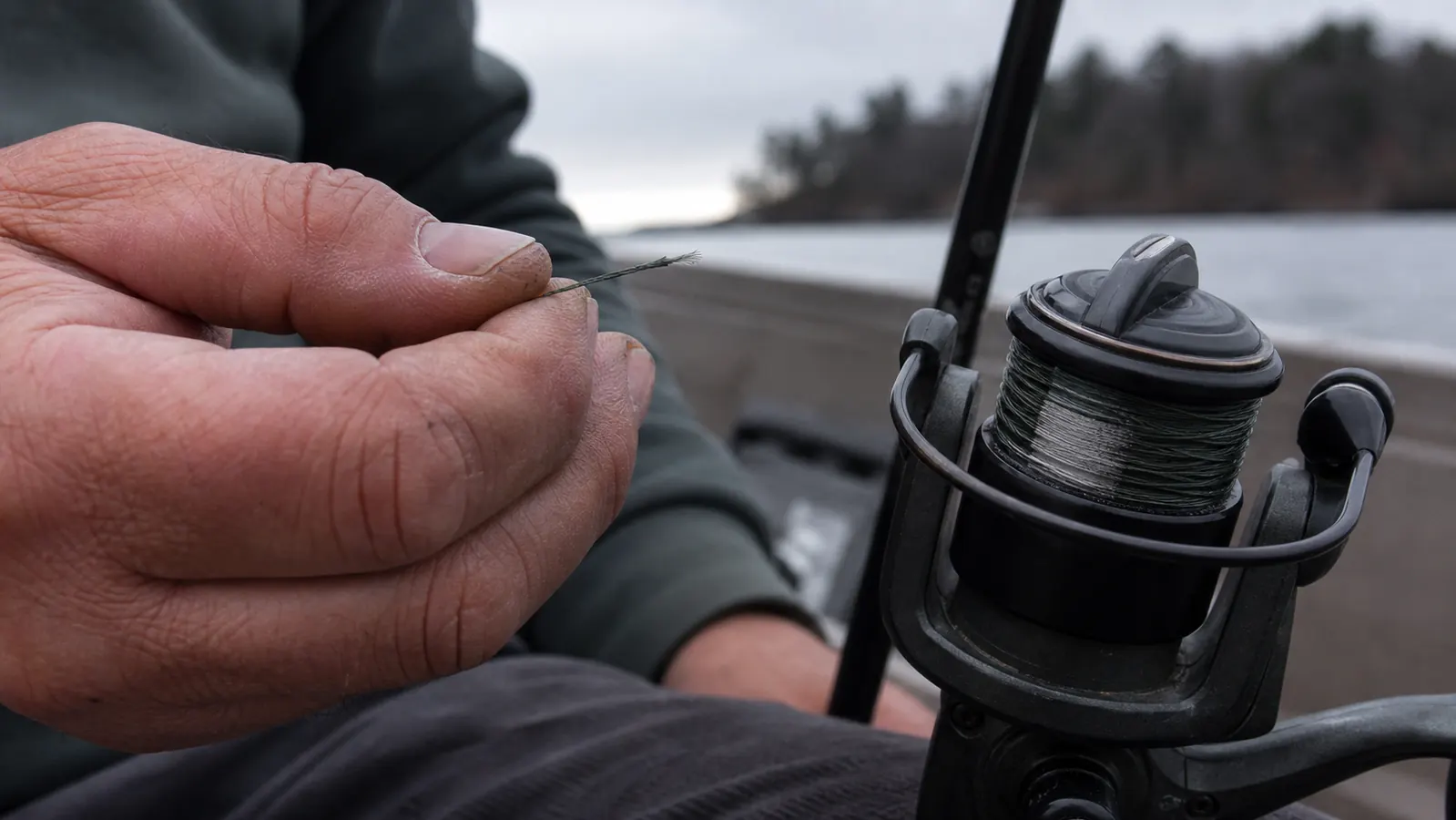
I stood there in the tide rinsing salt off my hands and doing the kind of quiet math you do when you've just lost the best fish of the year to something that was entirely your own doing. That spool had been on my saltwater reel since the spring before last. I'd used it through two summers of striper trips, a handful of trips chasing smallmouth on Winnipesaukee when I ran short on my regular gear, and I honestly couldn't remember the last time I'd changed it. Line doesn't send you a text telling you it's tired. It just sits there on the spool looking more or less the same, right up until the one day it isn't.
Ray rowed over, saw my face, and didn't say much beyond that was a good one. He didn't need to say more. We both knew exactly what had happened and exactly whose fault it was. I've been fishing New Hampshire and Maine water most of my adult life, and I've made peace with losing fish to bad hooksets, to current, to my own clumsy casting. What I hadn't made peace with, apparently, was losing a good fish to the one piece of gear that connects me to it in the first place.
It wasn't a bad knot and it wasn't bad luck. It was two year old line that had already given up before that fish ever showed up.
The break that didn't have to happen
Ask any guide long enough and he'll tell you the same thing eventually. It's rarely the hookset or the drag setting that costs you the good fish, it's line that's been on the reel a season too long. This is the KastKing Superpower braid I've since put on all three of my reels, still well under what a lost trophy fish is actually worth to you.
Amazon Check Today's Price on Amazon →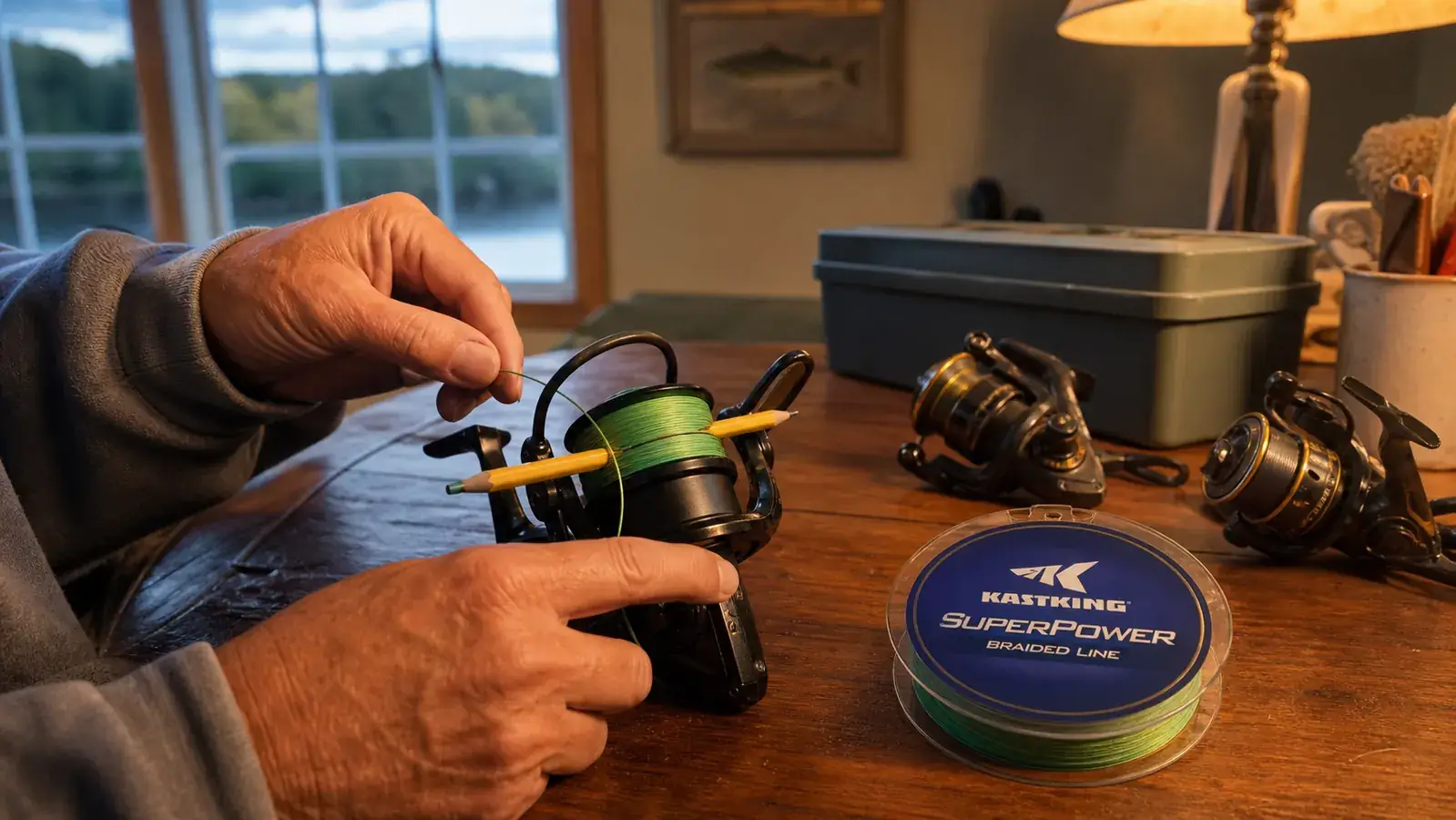
That evening, sitting at the kitchen table going through my tackle drawer, I did the honest inventory I probably should have done back in April. Three spools of line on three different reels, all of them at least two seasons old, one of them older than that. I'd been buying whatever line was cheapest at the tackle shop for years, telling myself it didn't matter much since I wasn't chasing anything but weekend fish. But that math only works if the line actually holds up, and mine clearly hadn't. Thirty dollars for a fresh spool would have fixed the whole problem, and instead I'd let a fish that size swim off because I didn't want to spend an afternoon and a few bucks respooling.
So I did the respooling the next weekend, all three reels, no cutting corners this time. I put KastKing Superpower braid on the saltwater reel first, since that was the one that had let me down, then did the same to the two lake reels while I had the tension rig set up right there on the kitchen table. It's not an expensive line, which is part of what had kept me buying cheaper stuff for years without really thinking about it, but the difference showed up almost as soon as I got back on the water.
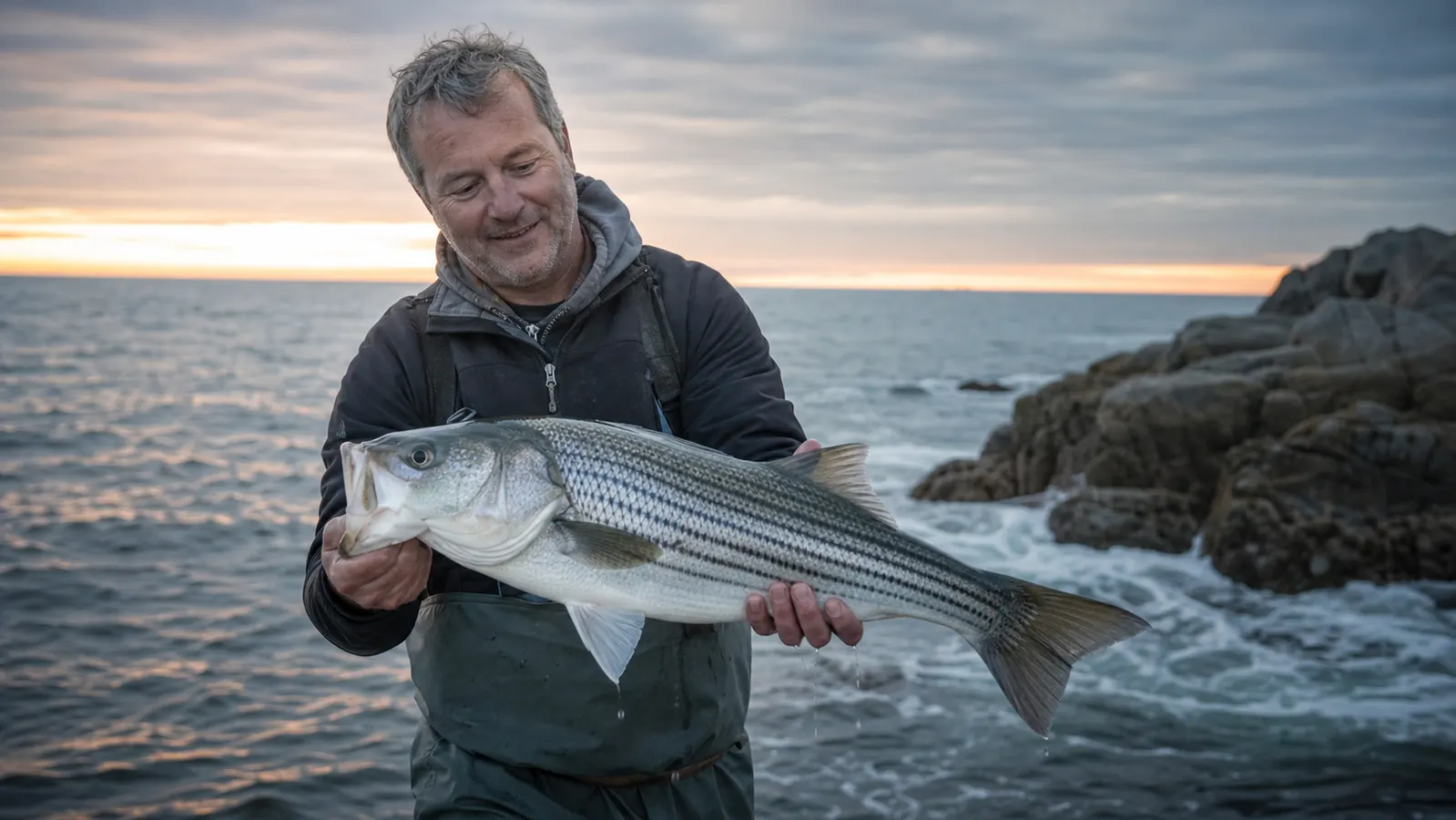
The following month I hooked into a striper of nearly the same size off the same stretch of rocks, same tide, almost the same spot Ray and I had anchored the summer before. This time when the fish ran for the ledge, the KastKing held. I felt it grind against the granite for a second, felt my stomach drop the way it always does in that moment, and then the fish turned and came my way instead of the line going slack. I landed that one, a striper just over thirty four inches, and I'll admit I stood there in the water for a second just glad the line had finally done its one job.
I've been running KastKing Superpower on all three of my main reels since then, the spinning setup I use on Winnipesaukee, the baitcaster I keep rigged for the Merrimack current, and the saltwater reel that finally earned back my trust this past season. It's not magic line and I don't pretend a thirty dollar spool turns you into a better angler. What it did was remove the one variable I'd been ignoring for two years, the line itself, and let the actual fishing decide the outcome instead of gear I should have replaced a long time ago.
What I'd Tell You If We Were Sitting at My Kitchen Table
If you're anything like I was, you probably know exactly which reel has line on it that's older than it should be. You've felt it get a little duller, a little less lively coming off the spool, and you've talked yourself into one more season out of it because it hasn't broken yet. I get it, I did the same thing for two years running. But the thing about line is it doesn't fail gradually in a way you notice from the boat. It just holds up right until the one fish that would have made your whole summer, and then it doesn't. Respooling with something like KastKing Superpower before that trip, not after it, is thirty dollars of cheap insurance against a night of replaying a broken line in your head instead of a good story to tell at the dock.
Respool before the season tests you, not after
I waited two years and a lost striper to learn this the hard way. You don't have to. See today's price on the KastKing Superpower braid I keep going back to, and get ahead of the one break you can actually prevent.
Amazon Check Today's Price on Amazon →