Last April I spooled up two reels with the same braid on the same afternoon, one for my everyday spinning setup on Lake Winnipesaukee and one for the baitcaster I keep rigged for the Merrimack River current. I wanted a real answer to a question I get asked at the boat launch more than almost any other. Does braided line actually hold up, or does it just look good in the store window and fall apart by August. Six months later, both spools are still on those reels, and I've got a clear picture of where this line earned its keep and where it made me grumble.
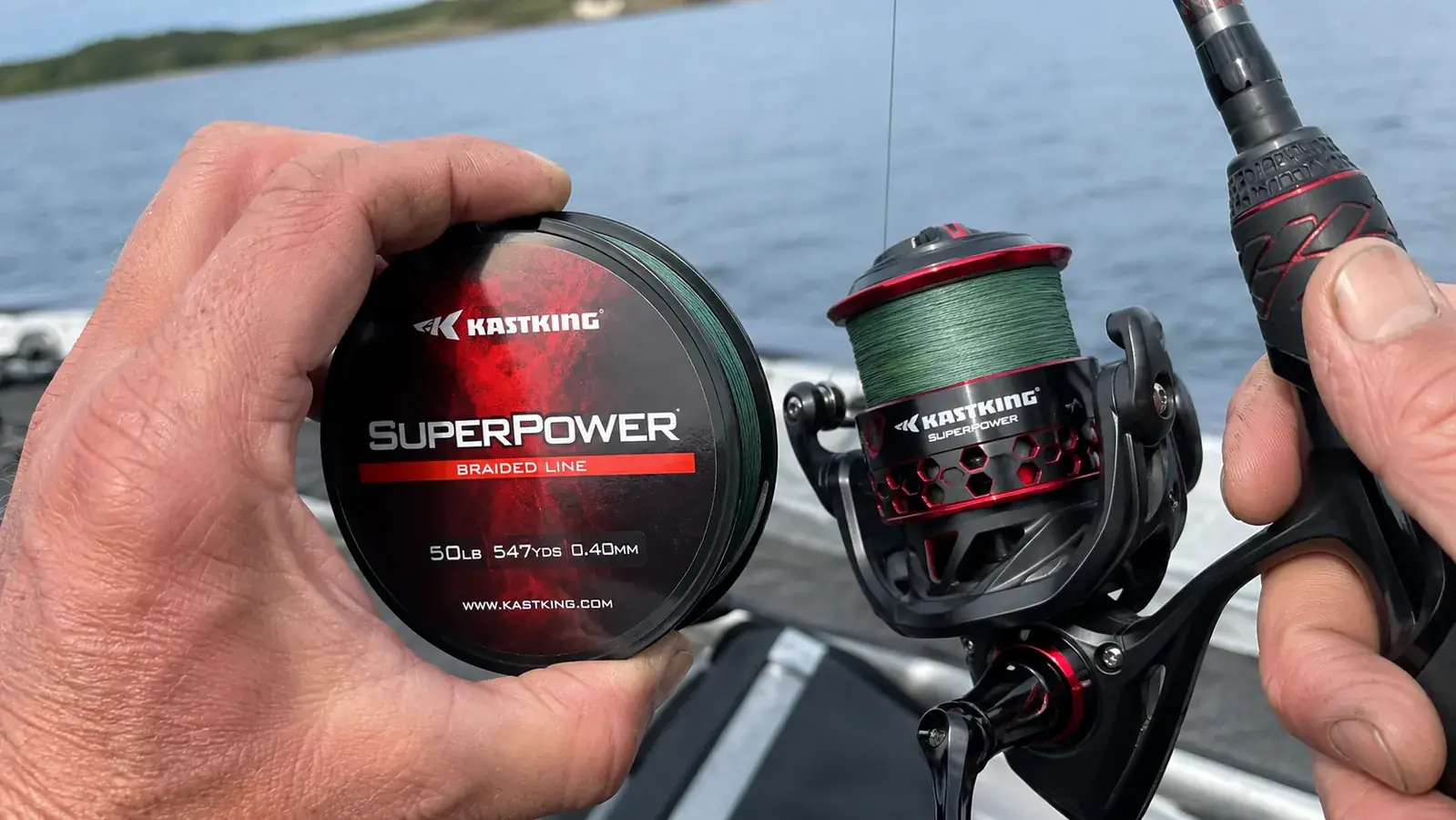
The line in question is KastKing Superpower, the 15 pound test in moss green, picked up for a little over eleven dollars a spool. It is not a boutique braid and it does not pretend to be. But eleven bucks buys a lot of line, and if it lasts a season instead of a month, that's the math that actually matters to a guy who fishes most weekends and doesn't have a sponsor covering his tackle bill. I've bought plenty of line over the years that looked good on the shelf and let me down by the Fourth of July, so I went into this test more skeptical than hopeful.
The Quick Verdict
A dependable, affordable braid that faded some and dug into itself once, but never actually broke on me over a full season of lake, river, and light saltwater use.
Amazon Check Today's Price →Six months in, this is still the braid on my go-to reel
If you're tired of respooling every spring because last year's line got chalky and weak, this is the one I keep coming back to. Current price and availability on Amazon below.
Amazon Check Today's Price on Amazon →How I've Used It
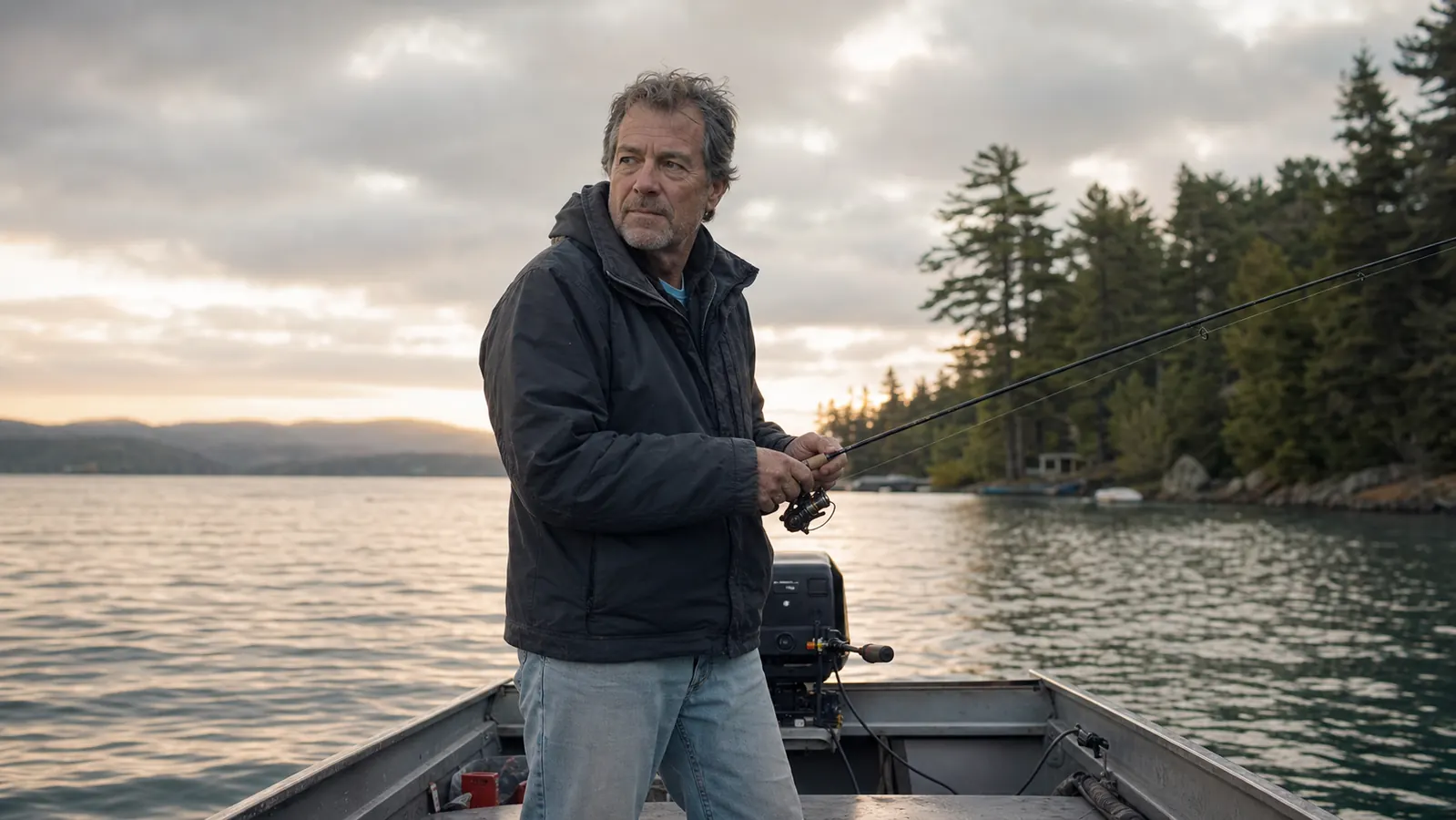
My home water is Lake Winnipesaukee and the stretch of the Merrimack River near where I keep my 16-foot aluminum boat, the one with the tiller outboard that's older than some of the guys I fish with. I'm out most weekends, often with my brother-in-law Ray riding shotgun, and the fishing runs the gamut. Smallmouth off the rocky points in June, largemouth in the weed lines by the coves, and whatever pike decide to show up and sulk near the drop-offs. Come July and August I usually get in three or four inshore striper trips along the New Hampshire and southern Maine coast, which is a different kind of test entirely because saltwater and abrasion don't play nice with any line, braided or not.
I spooled the KastKing Superpower on April 19th, a date I remember because it was the first genuinely warm Saturday of the year and Ray and I put in at Weirs Beach before the crowds showed up. One reel got the spinning setup I use for finesse work around docks and drop-offs. The other went on a baitcaster I run for heavier cover on the river, where I need to horse fish away from downed timber before they wrap me up. That split use is exactly what I wanted, because a line that only performs well in one application isn't telling me much about how it'll actually hold up in a normal season of mixed fishing.
By the time I pulled both spools off in mid-October to swap in fresh line for the fall run, I had somewhere north of forty outings on this braid between the two reels. That's not a lab test. That's a season of real fishing, sunburn and mosquito bites included, plus a couple of cold, damp mornings in October that are just as hard on gear as the heat of July.
Castability and Feel, Month by Month
The first thing anyone notices with a new spool of braid is how it casts, and the KastKing Superpower came out of the gate impressively smooth. It's a tightly woven eight-strand construction, and on the spinning reel especially, it laid down with almost no memory, which meant fewer of those annoying loops that tangle around the rod tip on a cold morning when your hands aren't quite warmed up yet. Through May and June, casting distance on light jigs was noticeably better than the monofilament I'd been running the year before, easily another ten to fifteen feet on a comfortable cast, which matters when you're trying to drop a tube jig right against a rock ledge without spooking the fish.
Where things got more interesting was July and August, after the line had been through repeated soakings, direct sun on the boat deck, and a couple of trips where I didn't rinse the reels for a few days longer than I should have. The KastKing didn't get stiff exactly, but it did lose some of that initial silky feel. By late summer I noticed slightly more friction coming off the spool on long casts, the kind of thing you only pick up on if you're paying attention because you're specifically testing the line rather than just fishing. Ray noticed it too on his own reel, wound with a similar braid, so I don't think I was imagining it.
One issue that came up twice, both times on the spinning reel, was the line digging into itself under the spool during a hard fight with a decent smallmouth. It's a known quirk with a lot of braided lines when the spool isn't packed evenly, and it cost me a few casts of frustration each time while I picked the line free. It never cost me a fish, but it's worth knowing going in, especially if you're not in the habit of spooling with some tension. I've since started using a pencil through the spool to keep tension even when I load up a new reel, and that seems to help.
Color Fade, Real Talk
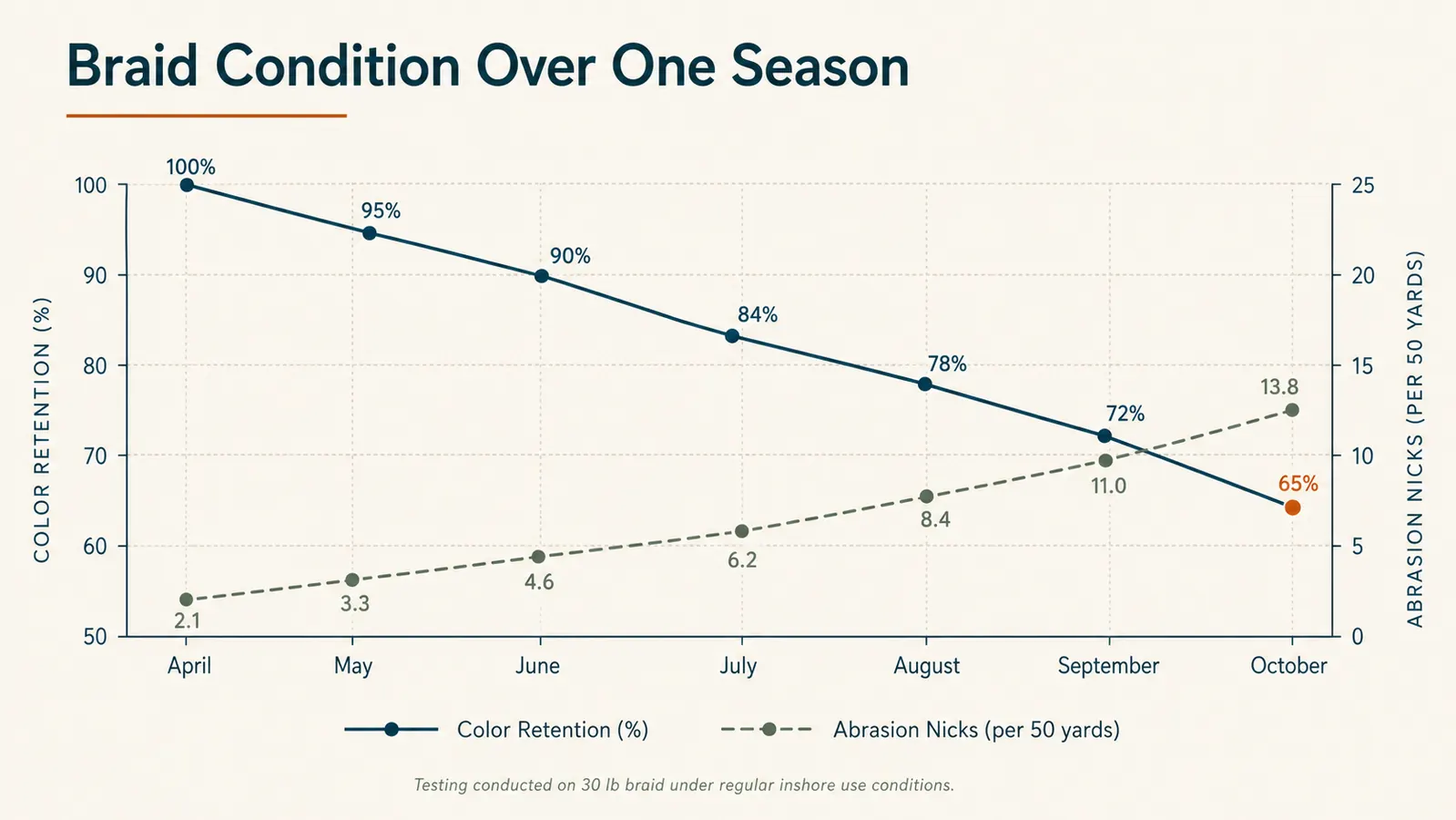
The moss green color is one of the reasons I picked this particular KastKing Superpower line, since it blends reasonably well in the stained water we get on parts of Winnipesaukee and disappears nicely against the river bottom on the Merrimack. By August, though, the fade was noticeable. Not dramatic, but if I held the working end next to a fresh spool of the same line, you could see it had lightened a couple shades, especially in the top thirty feet or so that sees the most sun exposure and gets reeled in and out the most on every single cast.
Does the fade affect performance? Honestly, not that I could tell. The strength held up in every knot test I ran, and fish don't seem to care whether the line is exactly moss green or a slightly bleached-out version of it. But if you're someone who likes the line to look sharp all season, this is the kind of thing that will bug you a little by late summer. It's a cosmetic issue more than a functional one, but I'd rather tell you about it than pretend I didn't notice.
Abrasion Around Rocks and Dock Pilings
This is really the test that matters most to me, because most of the line failures I've had over the years come from abrasion, not from a fish simply pulling too hard. Winnipesaukee has plenty of rocky points and submerged boulders, and the docks along the Merrimack have old wooden pilings that have chewed up more than one spool of cheap monofilament for me over the years, usually right when I'm fighting the best fish of the day.
The KastKing Superpower held up better than I expected against rock contact. I lost exactly one fish to a break against a boulder in late June, and when I examined the line afterward, the fraying was localized and pretty much what you'd expect from any braid that got dragged hard across granite. Against the dock pilings, which tend to be rougher with barnacle-like growth in the brackish sections near the coast, the line showed more wear over time. By September, I had retied above a couple of visibly nicked sections on the baitcaster spool rather than risk a break on a good fish, and that's just become part of my regular routine now.
The inshore striper trips were the toughest test of all. Saltwater plus structure plus fish that pull considerably harder than a lake smallmouth is a rough combination for any line. The KastKing braid survived three trips without a break, but I could feel it getting progressively less trustworthy by the third outing, enough that I wouldn't recommend leaning on a single spool for a whole striper season without at least trimming back the working end periodically and checking it by hand before you tie on.
It never actually broke on me over a full season, but by October I could feel it wasn't quite the line it was in April, and that's a fair trade for what it costs.
Knot Performance Over Time
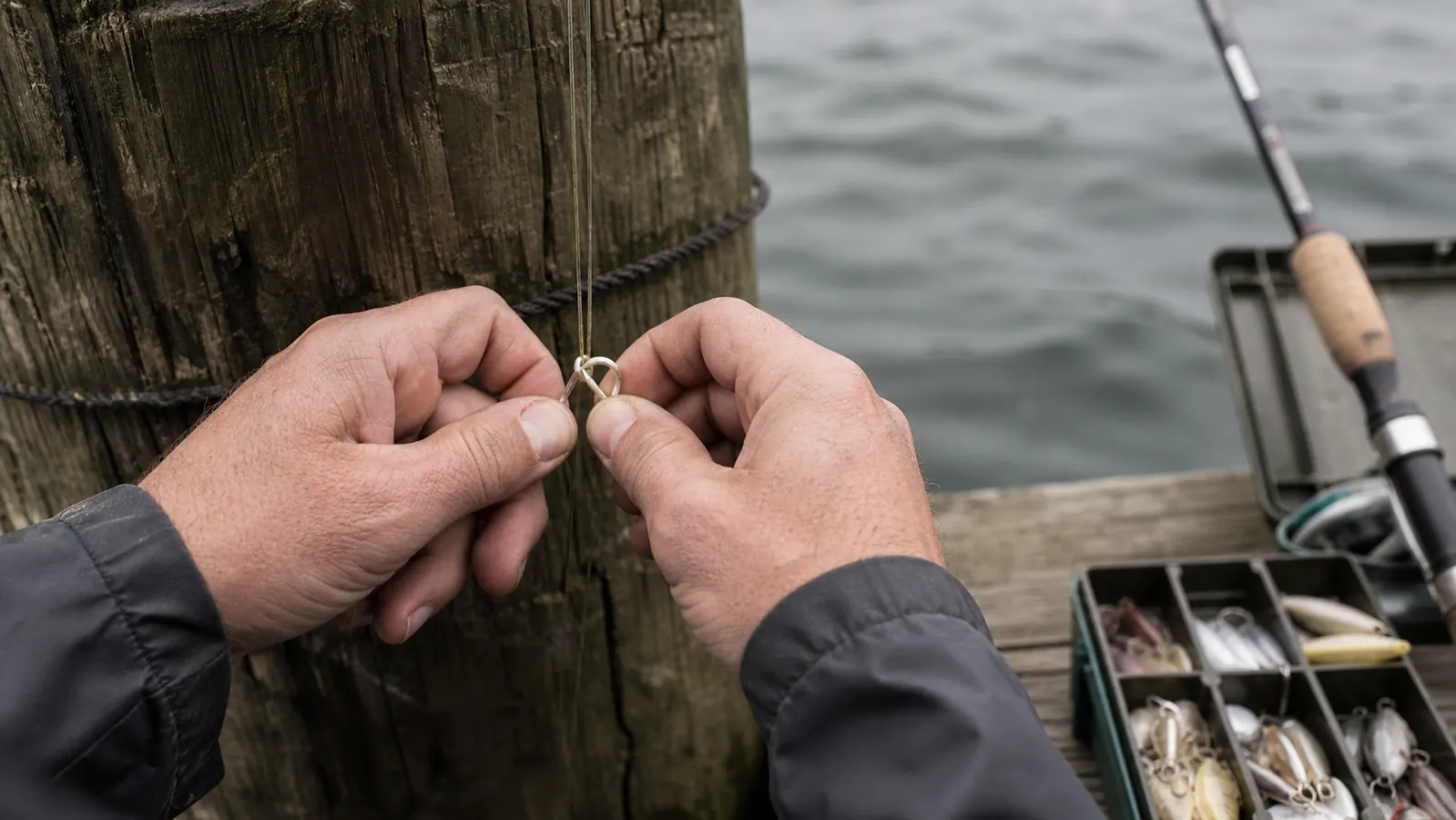
I'm a Palomar knot guy for leader connections and a simple improved clinch for direct ties, and I retied both reels probably a dozen times over the season as leaders wore out or I changed lures. Early in the season, the KastKing Superpower cinched down cleanly and held knot strength close to what I'd expect from the rated test. By late summer, after repeated wetting and drying cycles, I noticed the knots needed a slightly firmer cinch to seat properly, and I started double-checking every connection before a striper trip rather than trusting muscle memory.
I never had a knot slip on a fish that mattered, but I also got in the habit of retying more often than I might with a fresh spool, just out of respect for six months of sun and salt exposure. That's a reasonable habit regardless of what line you're running, but it felt more necessary here by September than it did in May. Ray razzed me a bit for being overly cautious about it, right up until his own knot slipped on a decent striper in August.
When I Finally Respooled
I pulled both spools on October 14th, right before the fall smallmouth bite really turned on and I wanted maximum confidence in my gear. Neither line had failed outright, and honestly I could probably have squeezed a few more weeks out of the spinning reel spool. But between the visible fade, the nicks near the pilings, and the general sense that the line had done its job and then some, it felt like the right time to start fresh rather than push my luck into the colder months when fish tend to be bigger and less forgiving of weak tackle. I coiled up what was left of the old KastKing and kept it in a tackle drawer for backup leader material, which is about the best use for a spool that's given you a full season already.
What I Liked
- Smooth, low-memory casting straight out of the box
- Survived a full season of lake, river, and light saltwater use without a clean break
- Held knot strength reasonably well through repeated retying
- Affordable enough to respool every season without wincing
Where It Falls Short
- Noticeable color fade by midsummer, though it didn't affect performance
- Dug into itself under the spool twice during hard fights
- Abrasion resistance near barnacle-rough pilings and saltwater structure wasn't quite as strong as I'd like for a full striper season
Who This Is For
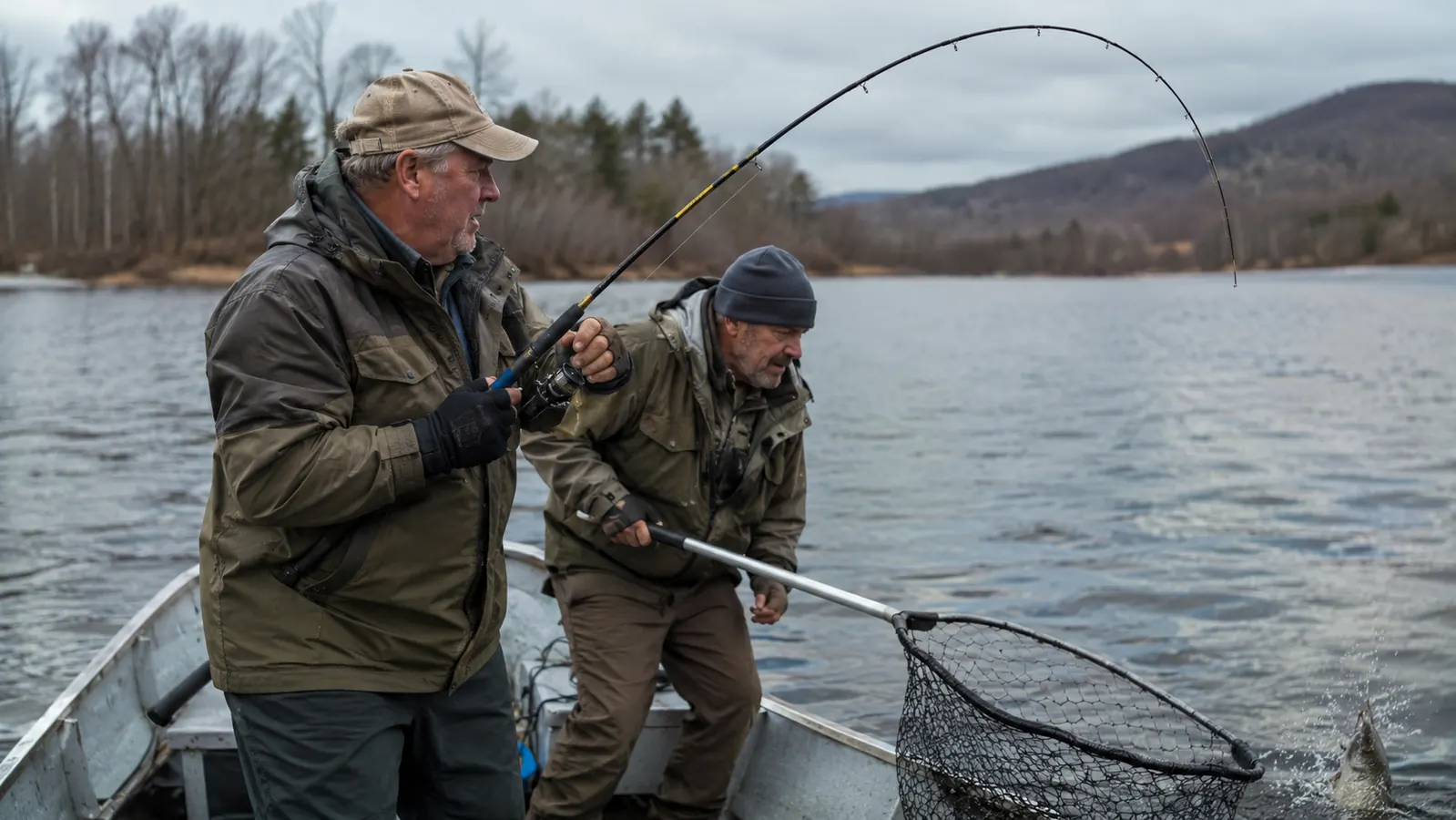
If you're fishing lakes, ponds, and rivers most weekends and want a braid that won't let you down over a season without costing you a fortune, this is a solid, sensible choice. It's especially good if you like to respool every year anyway, since the price makes that an easy habit rather than a budget hit. Anyone doing occasional light inshore saltwater work, the way I do with my summer striper trips, will get reasonable service out of it too, as long as you're willing to keep an eye on the working end and retie when it starts looking rough.
Who Should Skip It
If you're fishing heavy saltwater structure all summer long, chasing stripers or bluefish around barnacle-covered pilings on a regular basis rather than a handful of trips, I'd look at a line built specifically for that abuse rather than asking a budget freshwater-leaning braid to carry that load. And if you're particular about your line looking pristine all season, the fade by midsummer will bother you more than it bothered me.
Still on my reel after a full season of real fishing
This is the braid I keep spooling back on, not because it's flashy, but because it did the job without draining my tackle budget. See the current price on Amazon.
Amazon Check Today's Price on Amazon →